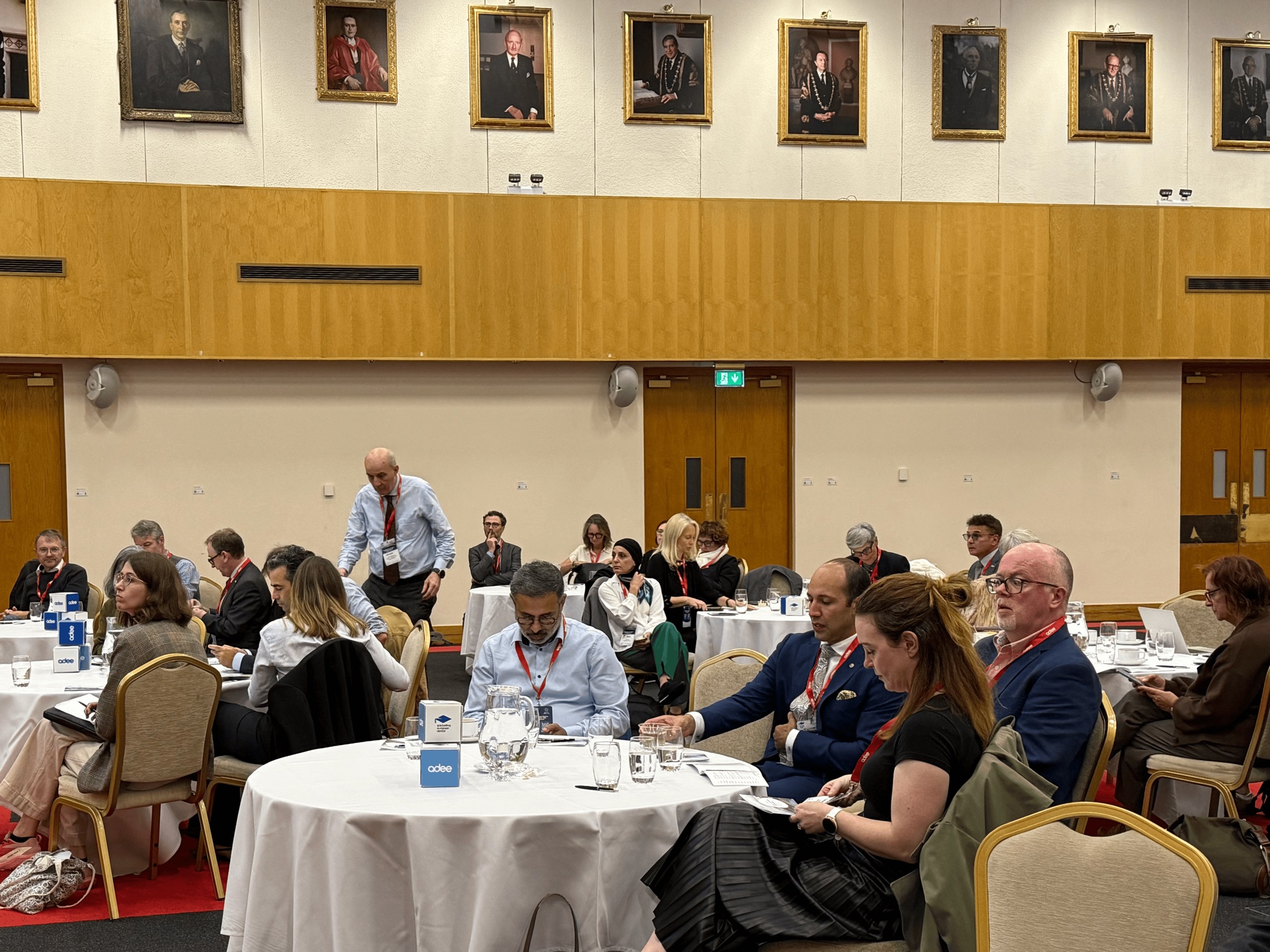
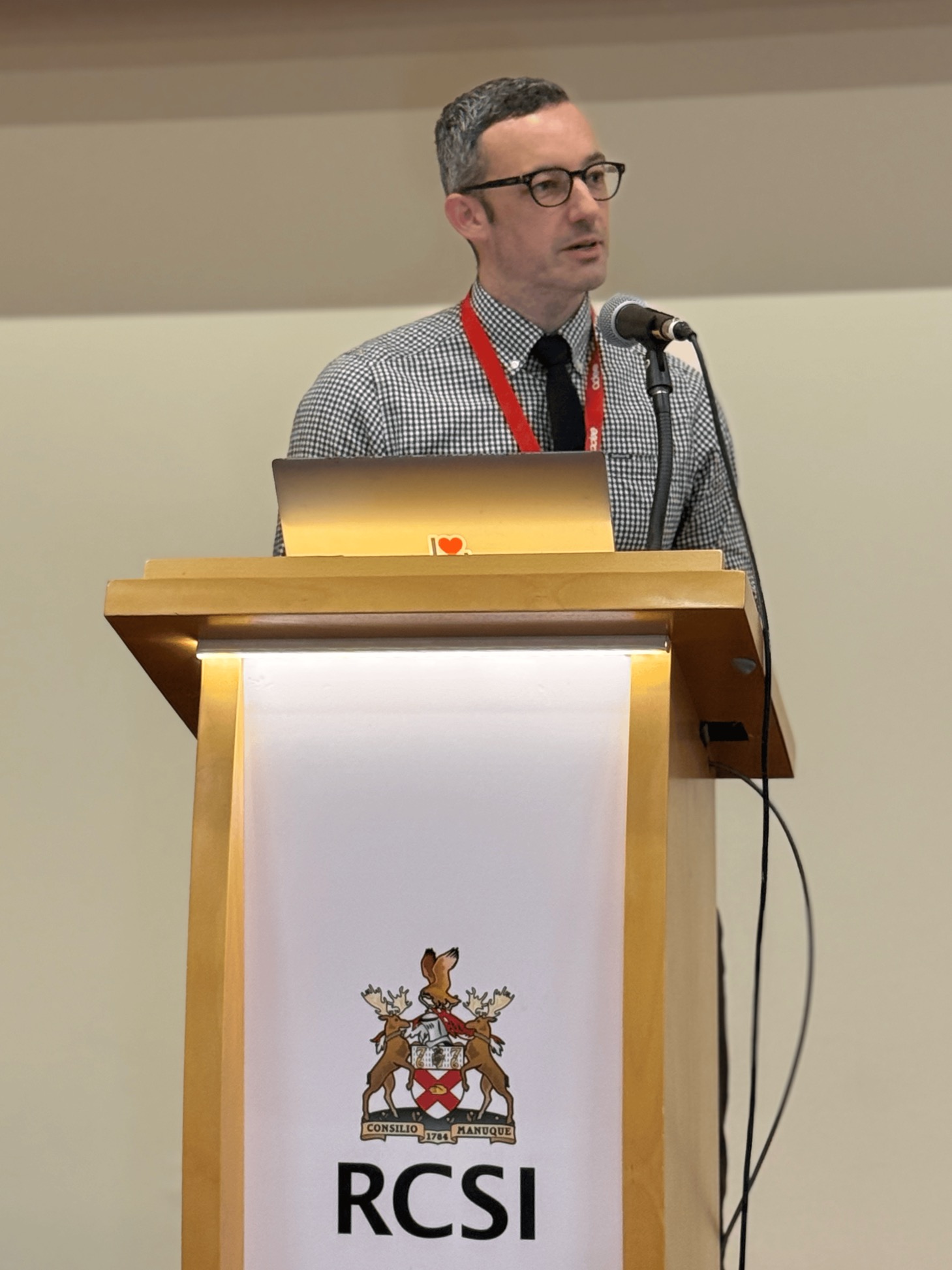
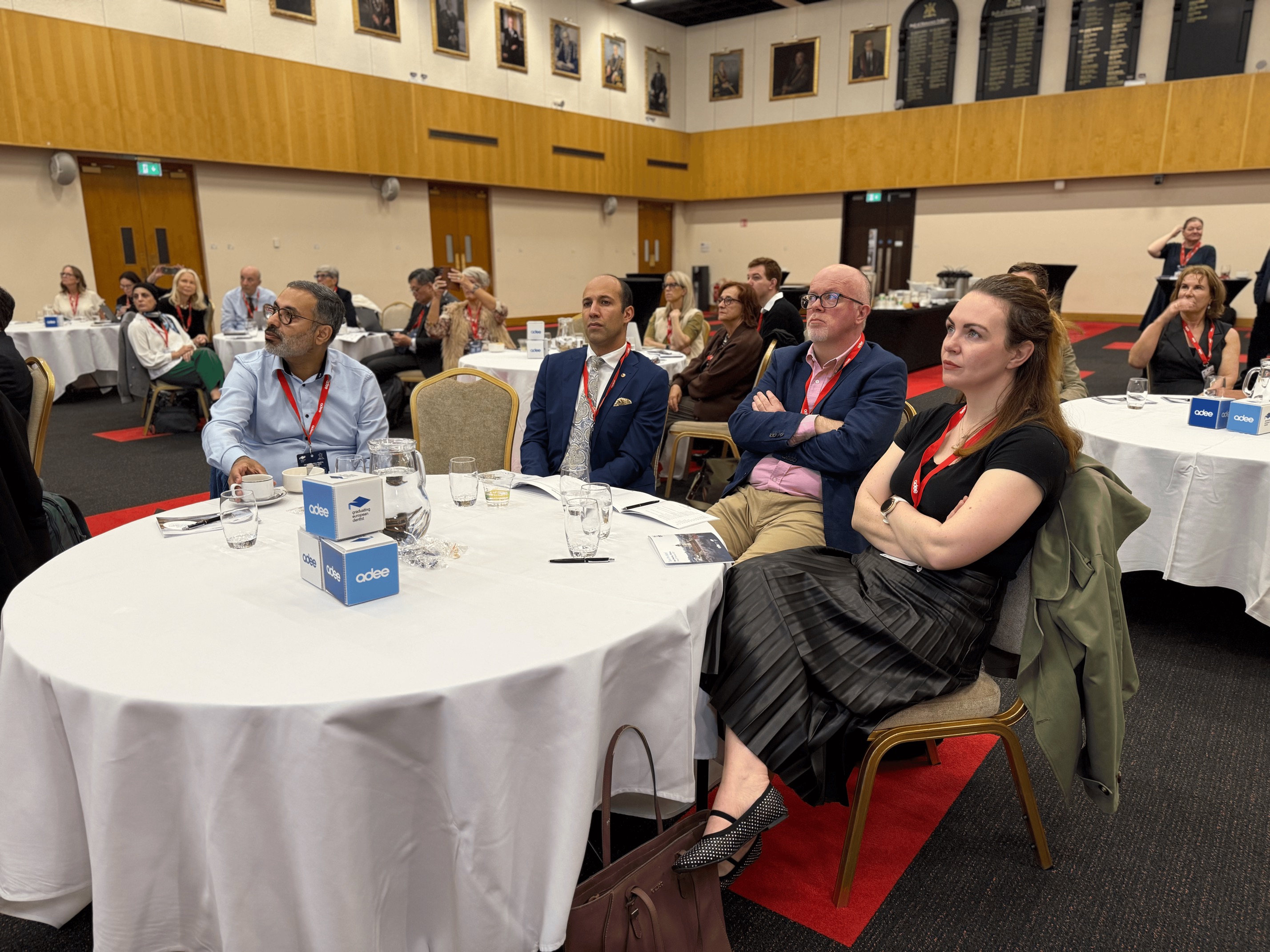
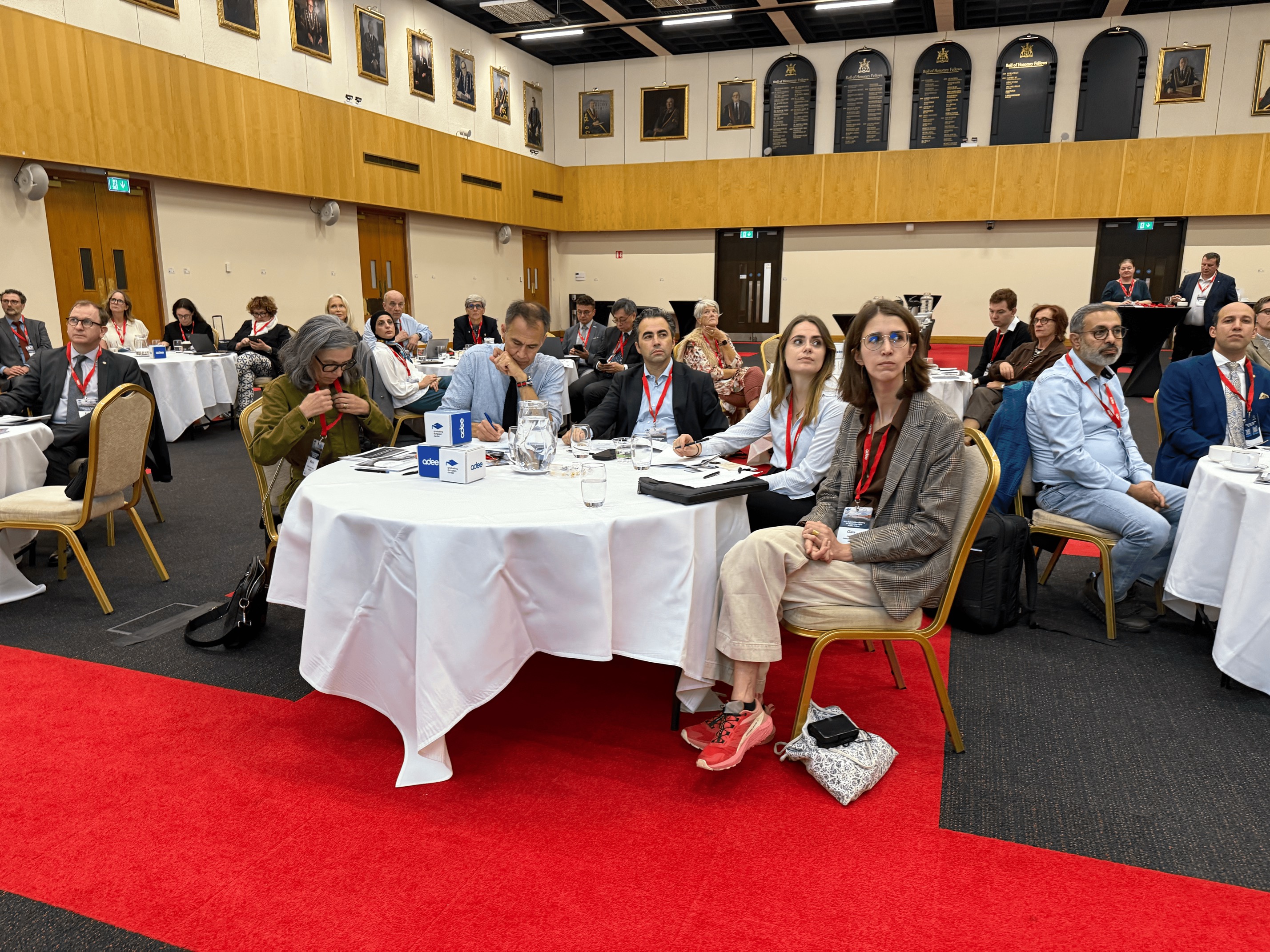
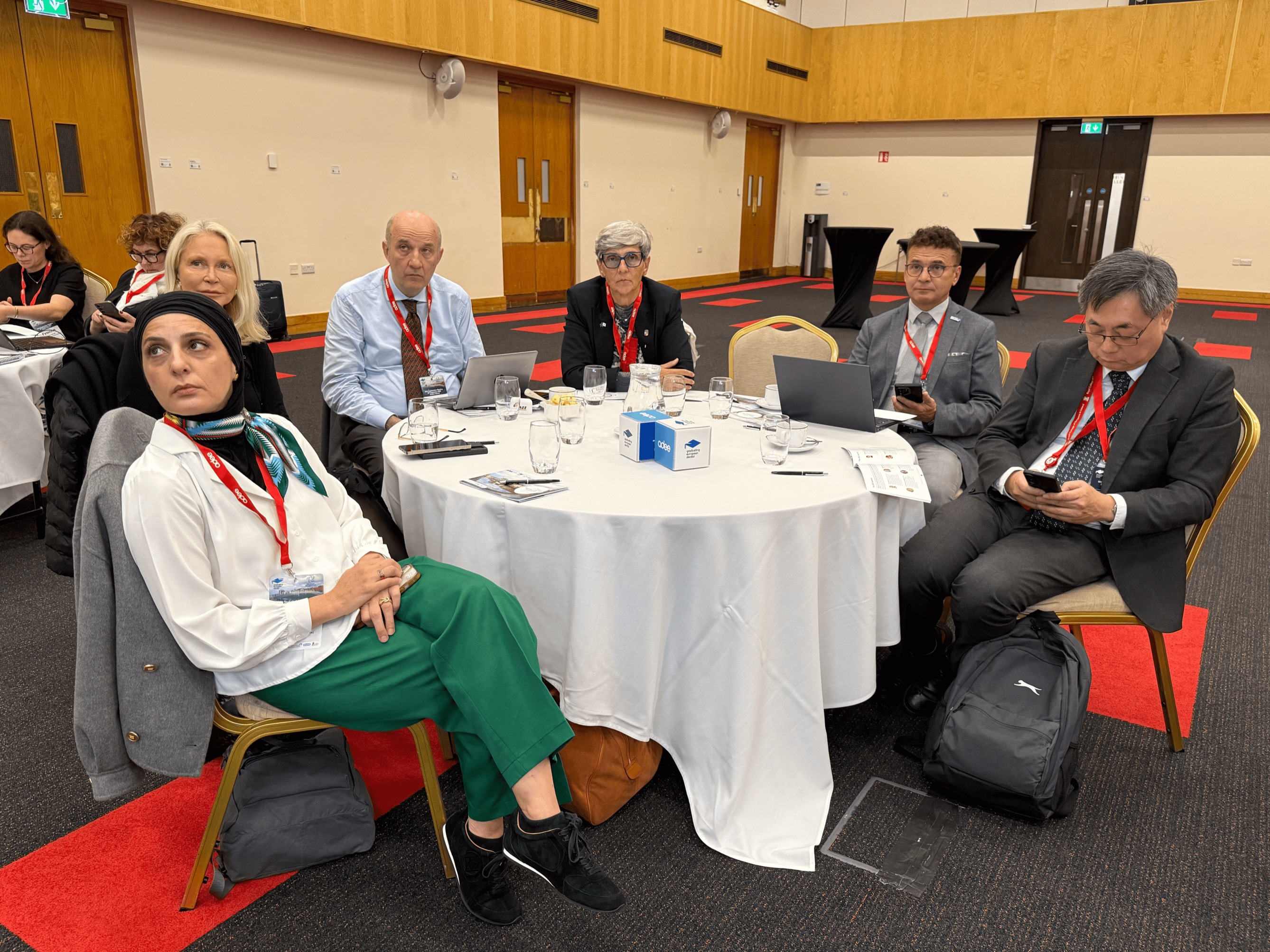
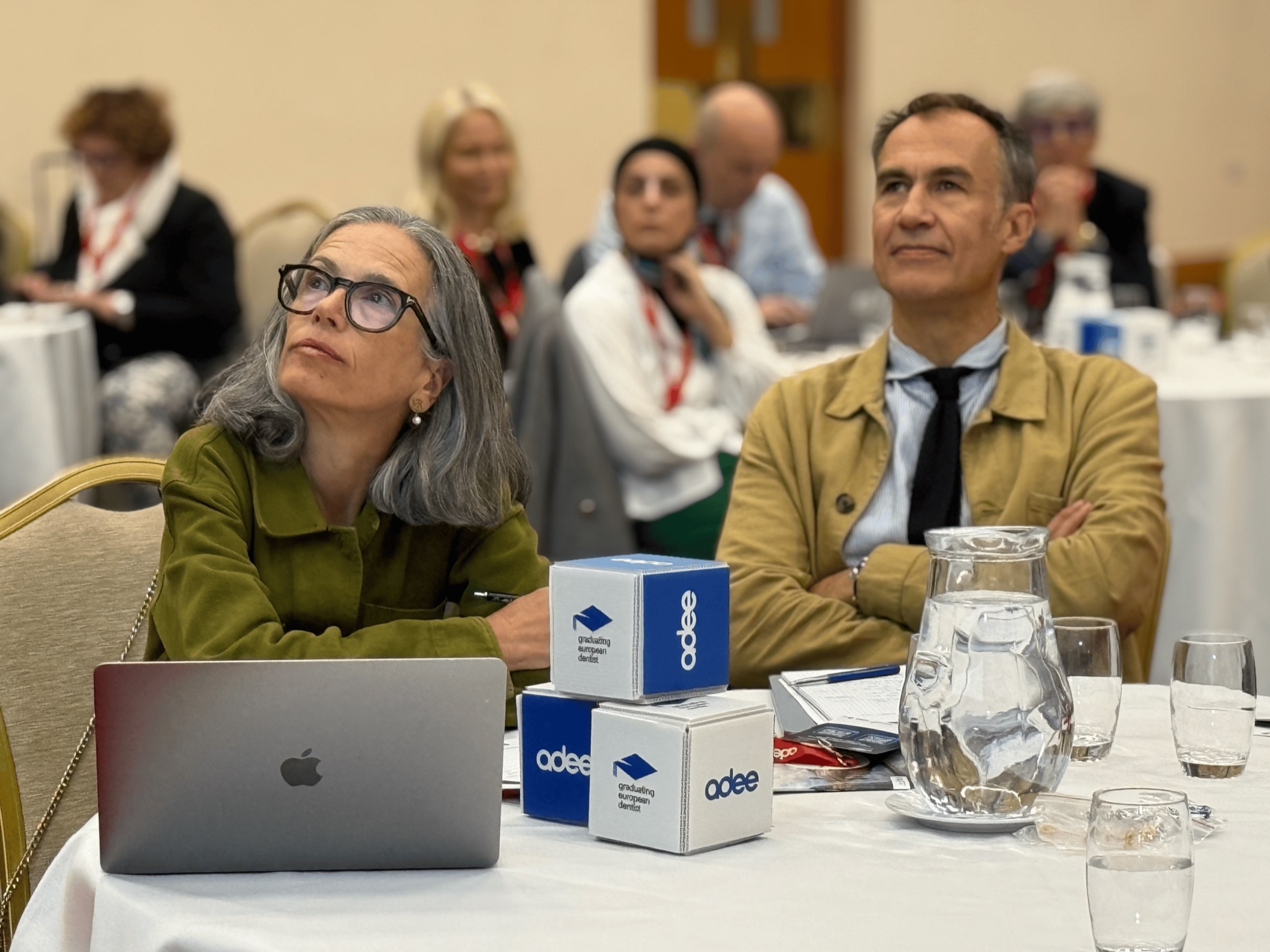
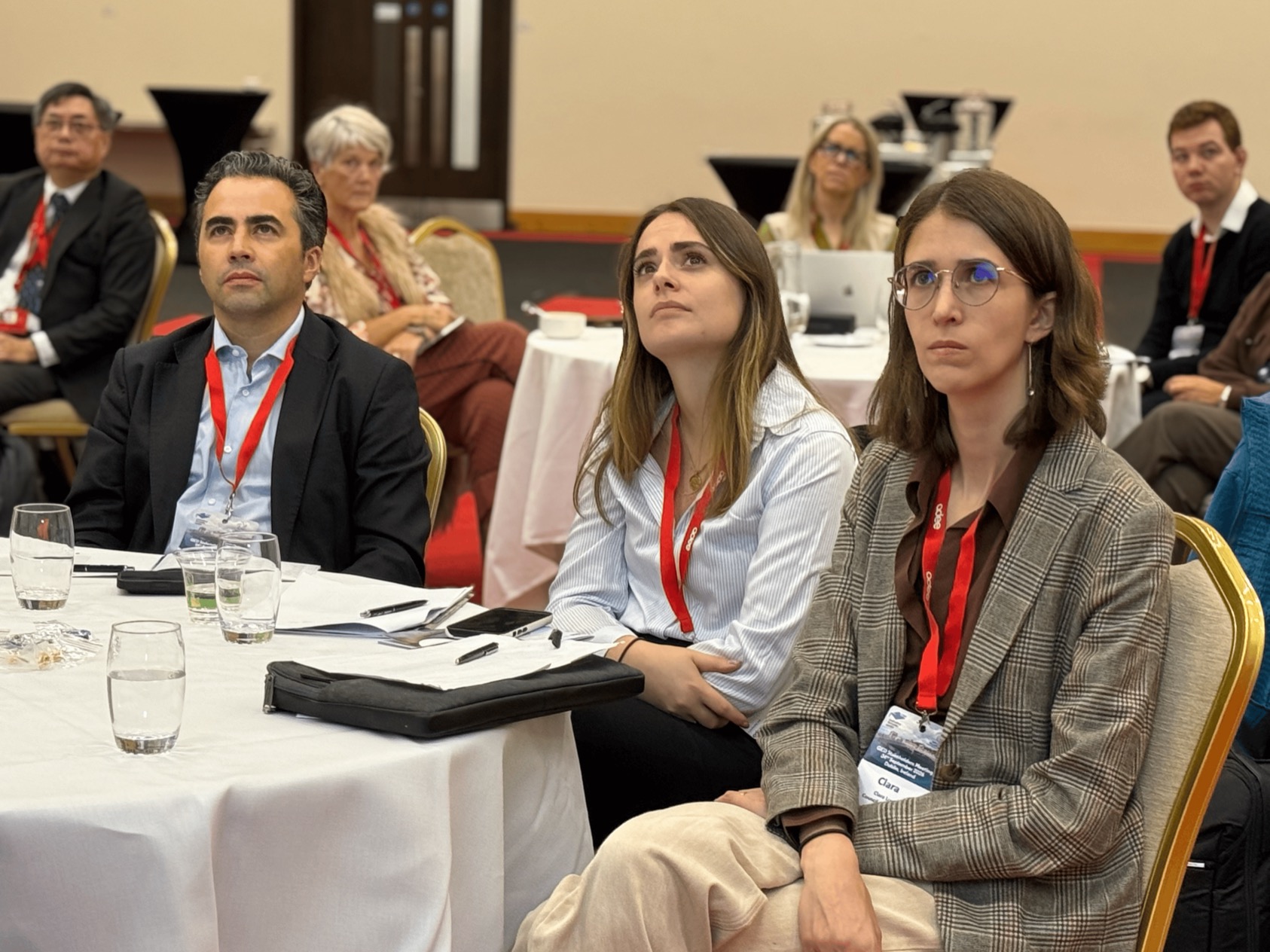
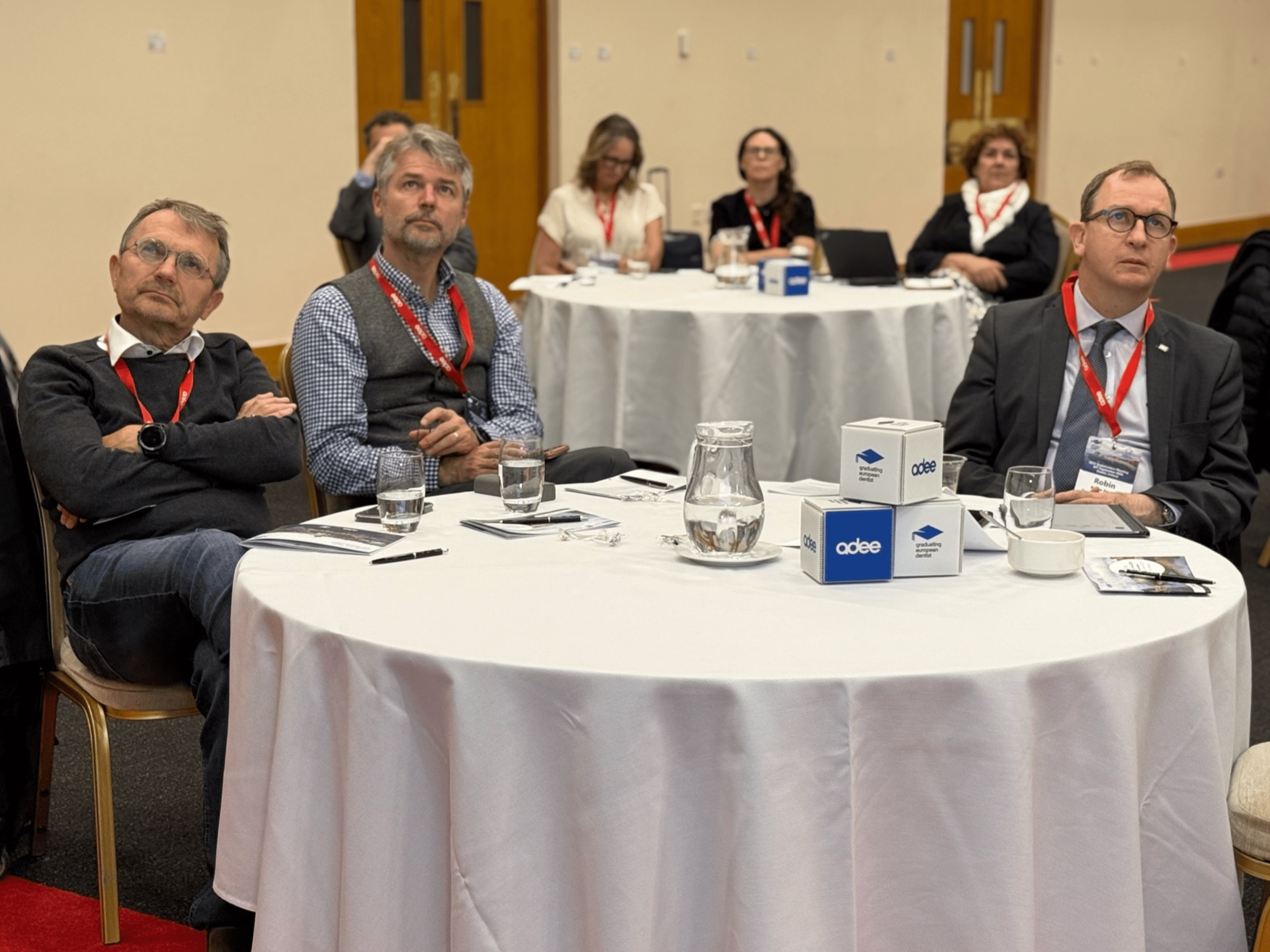
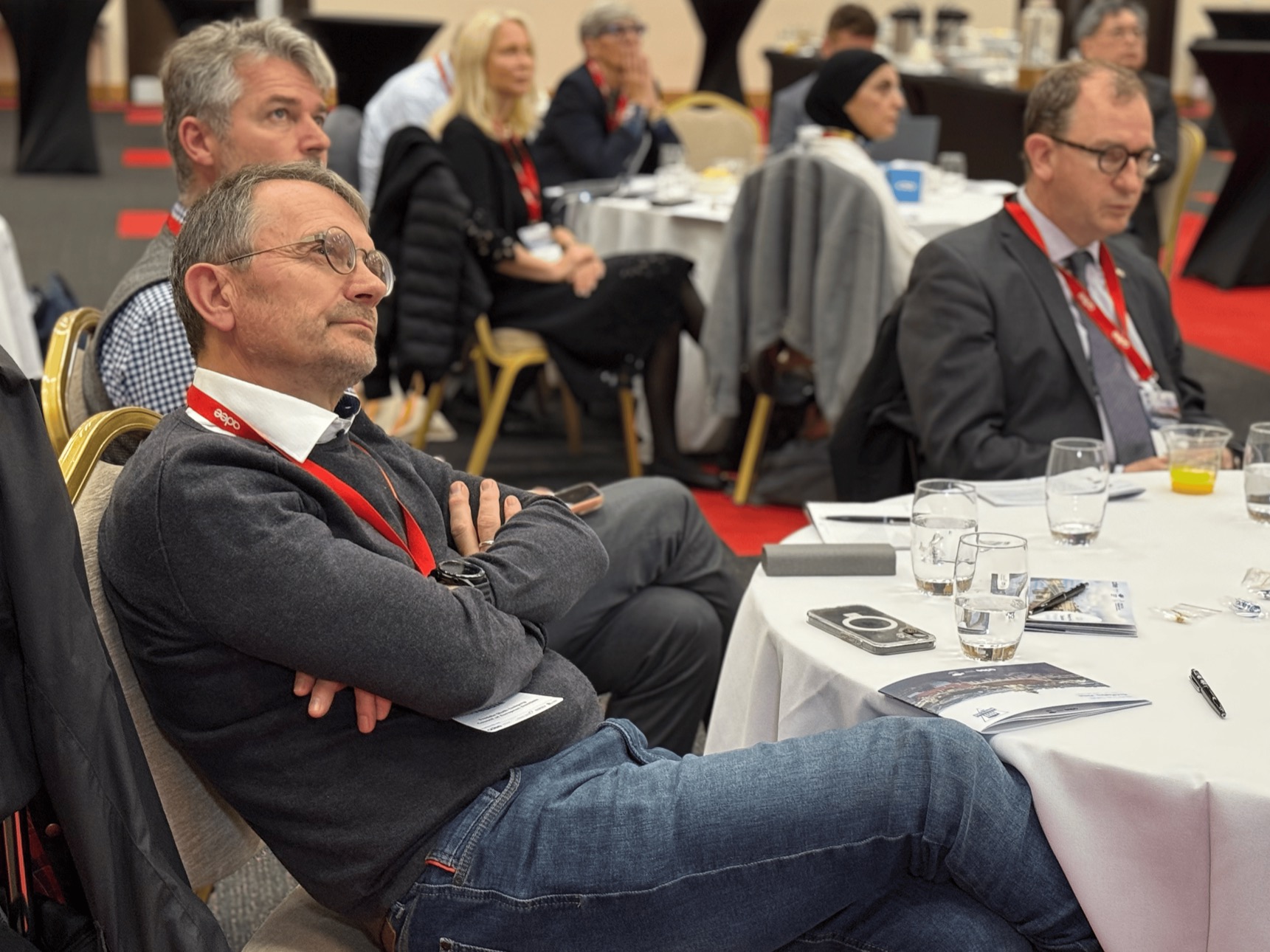
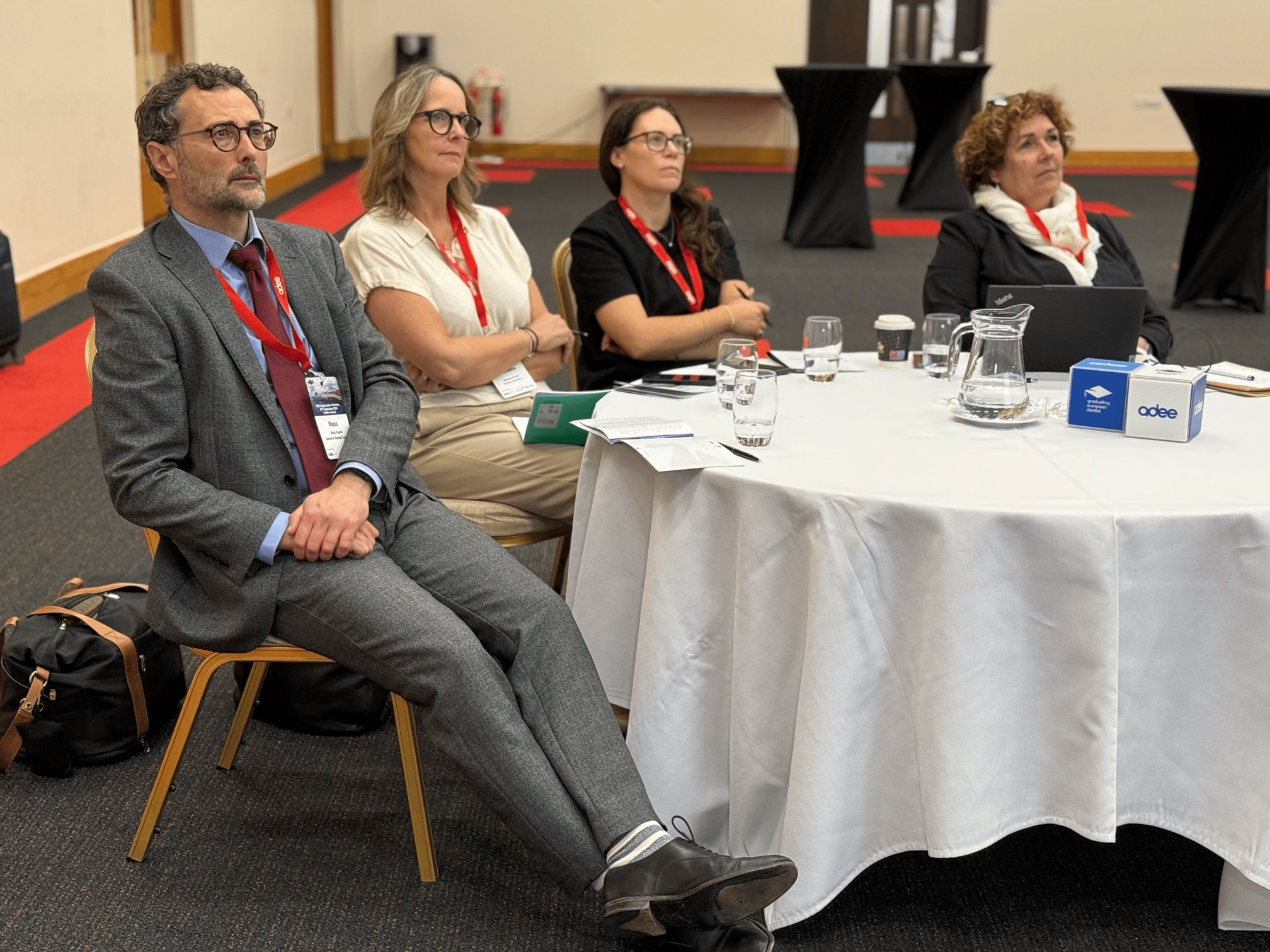
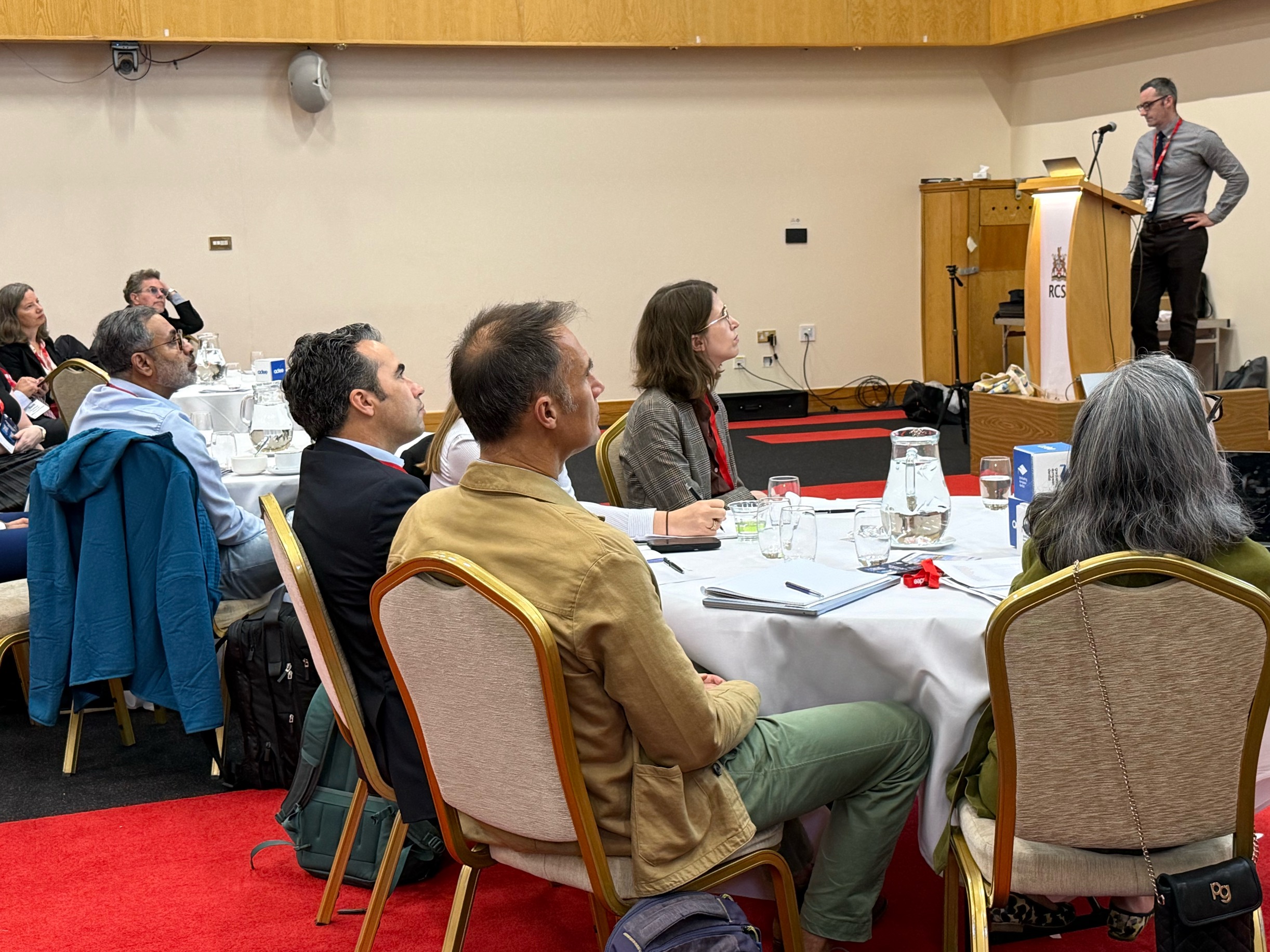
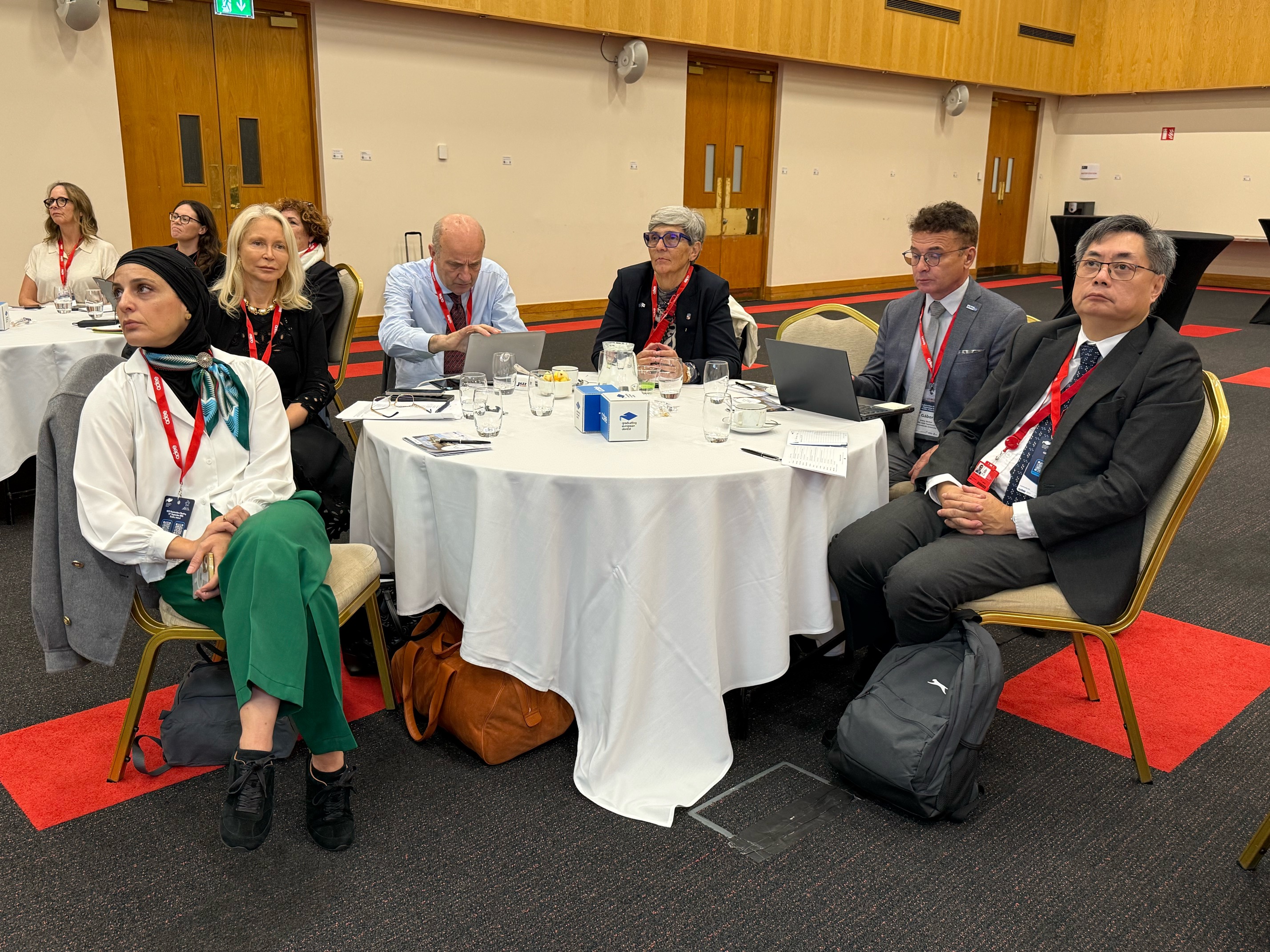
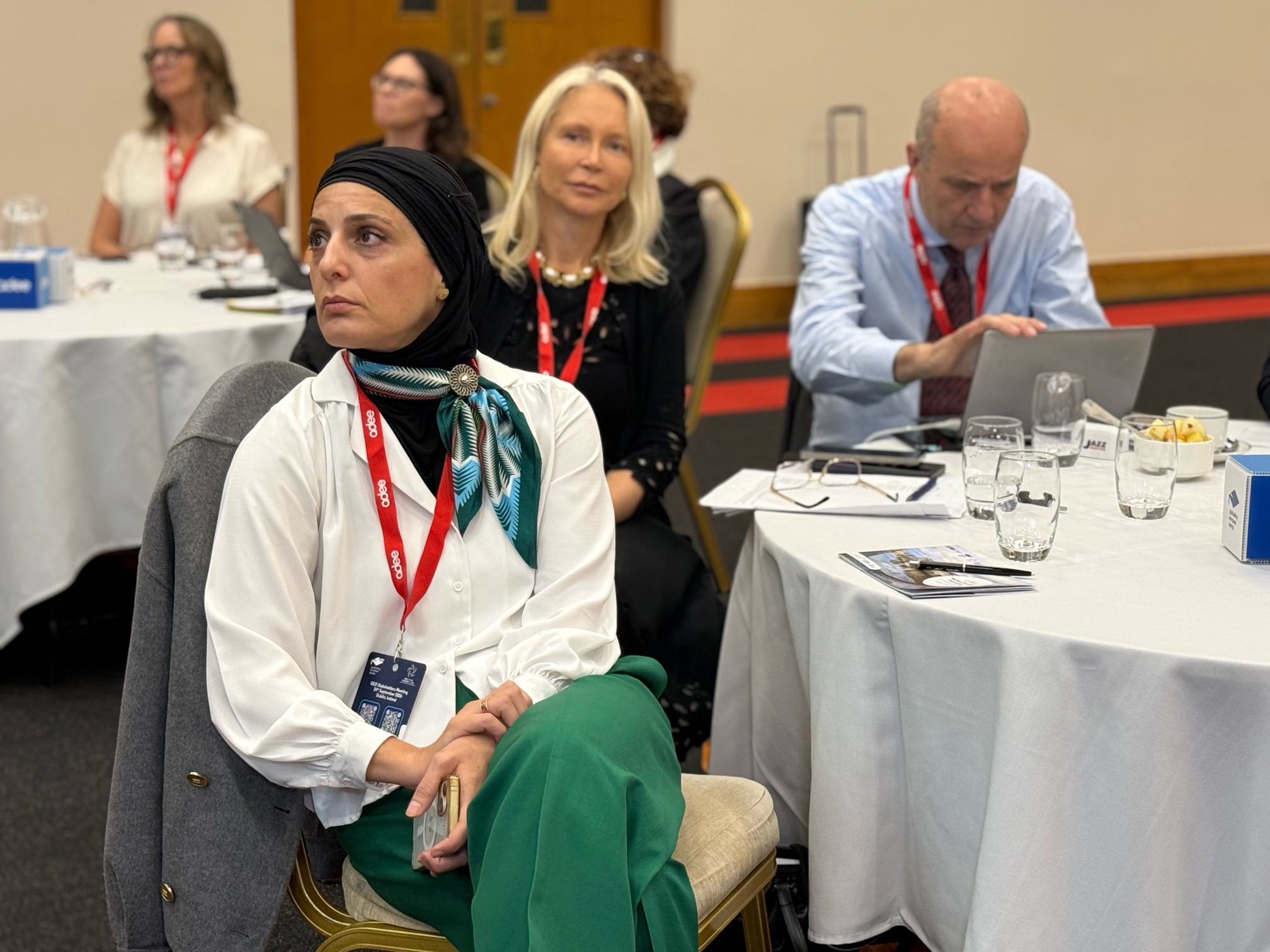
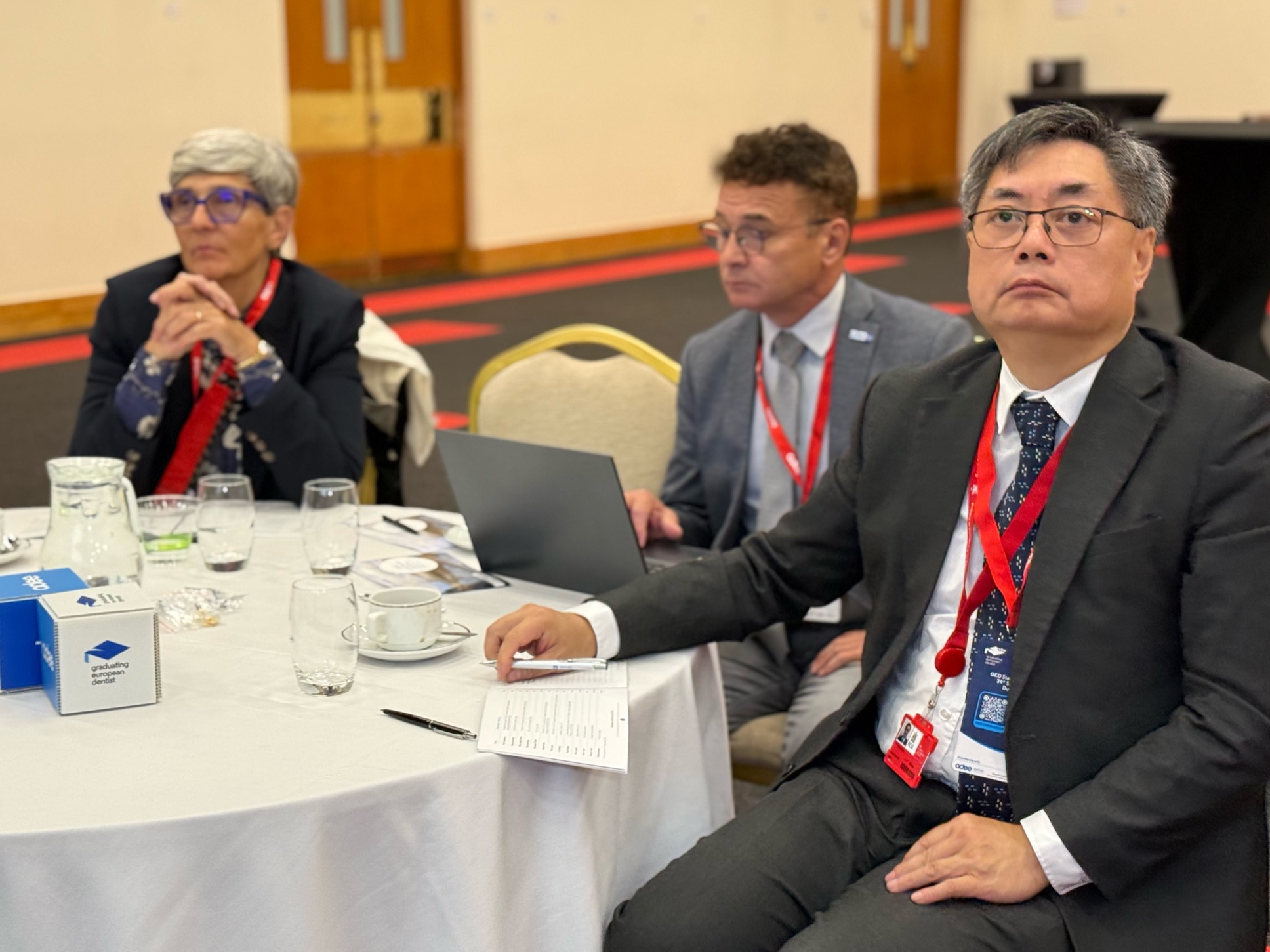
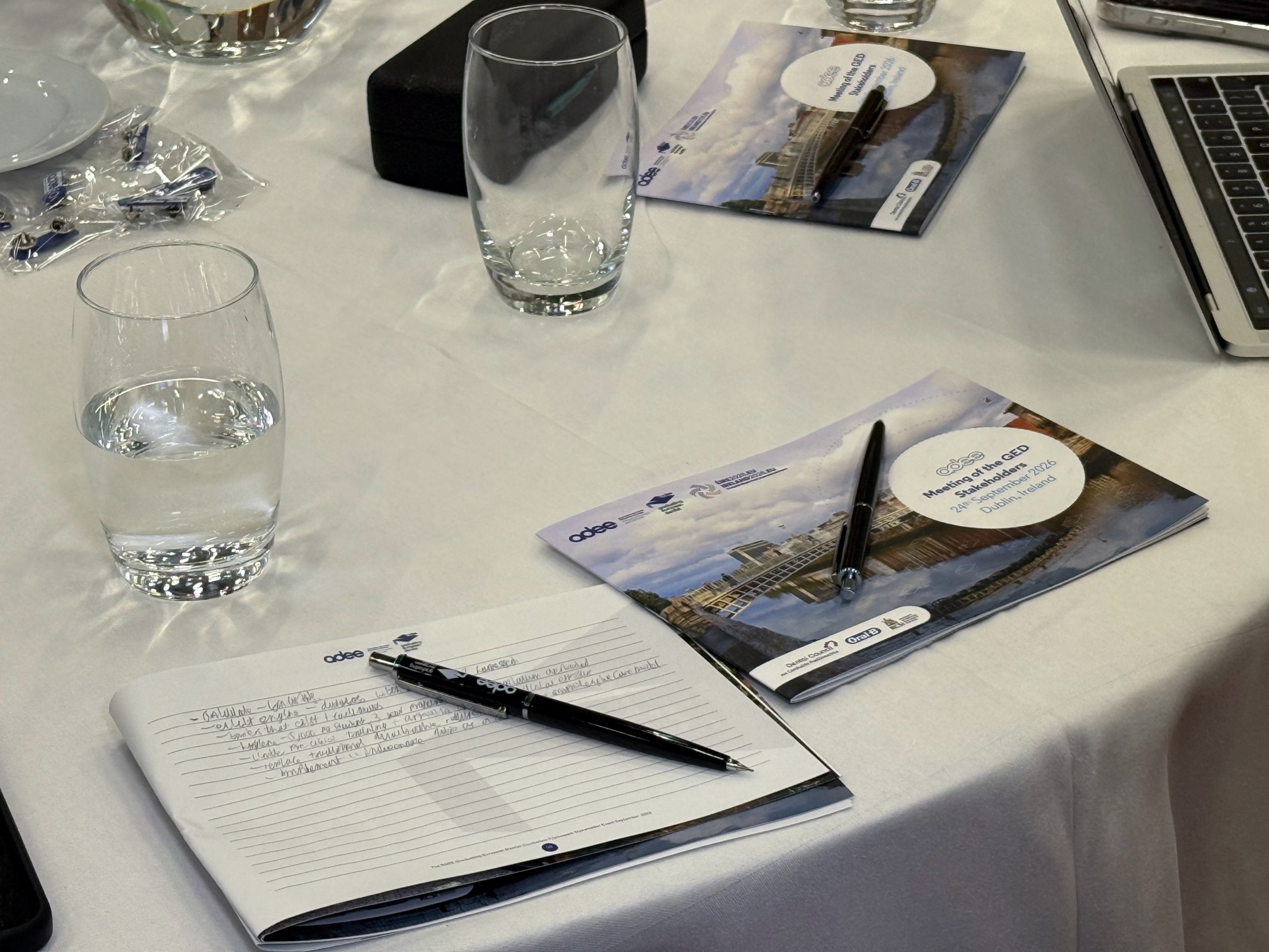
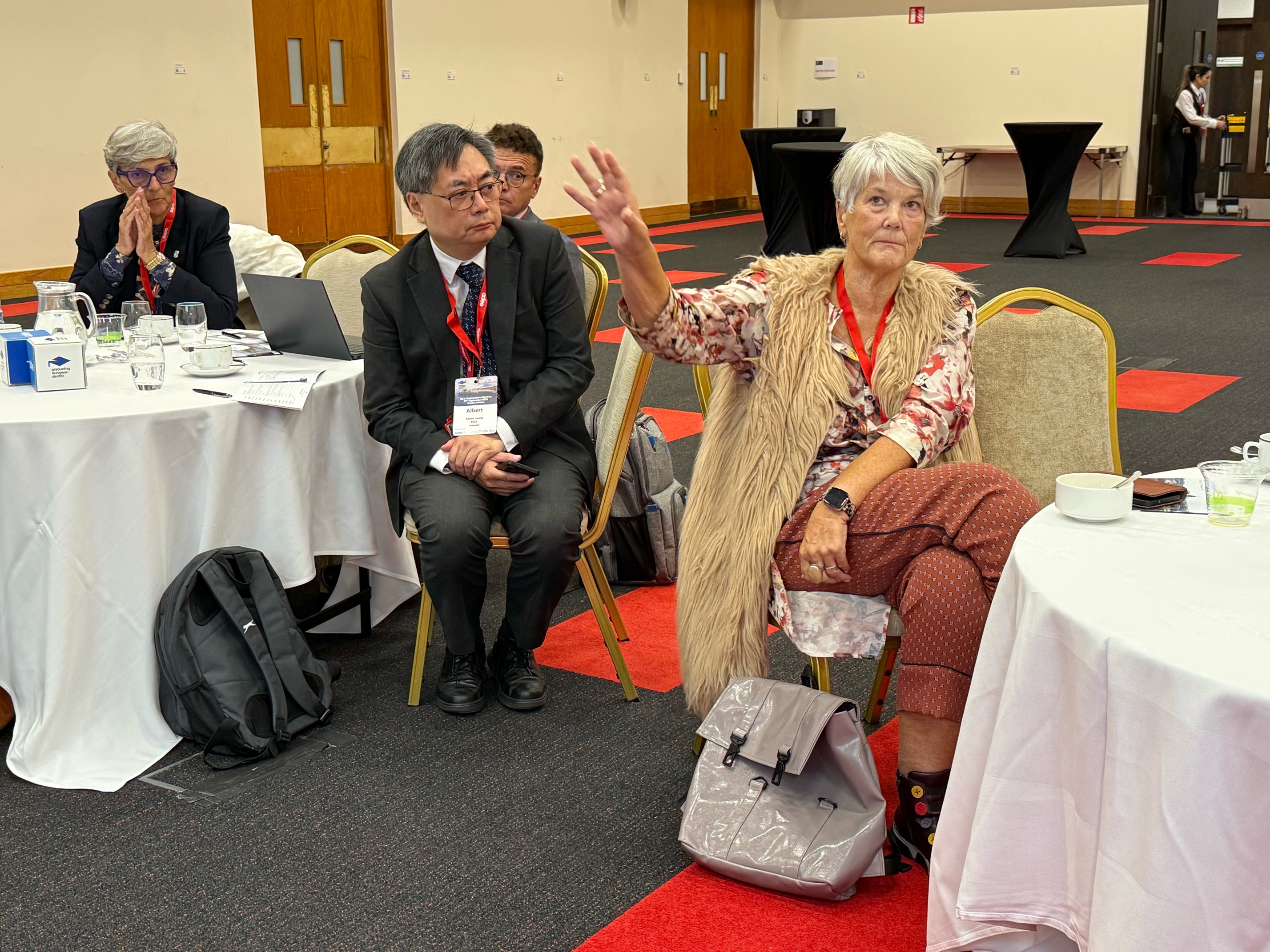
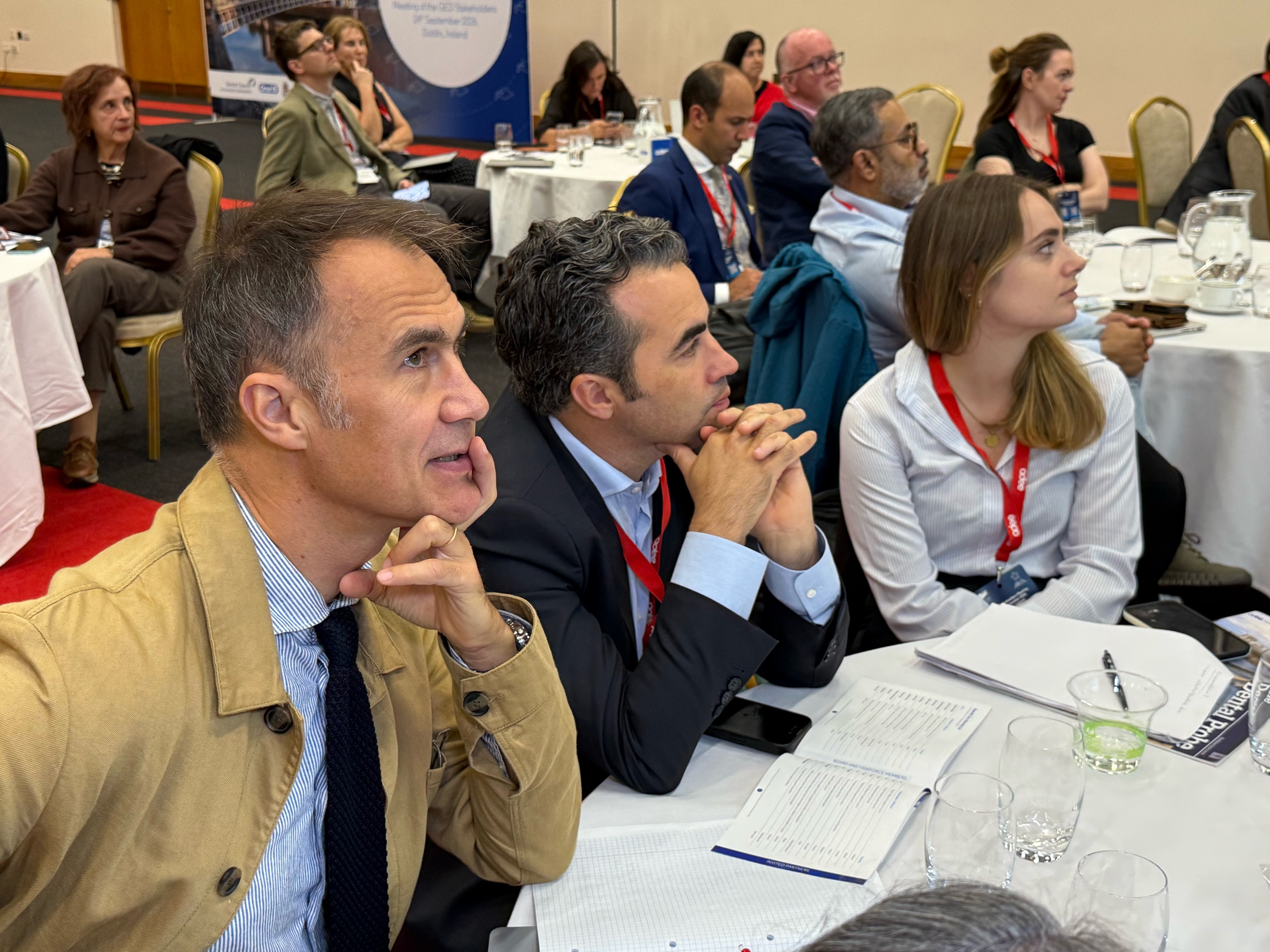
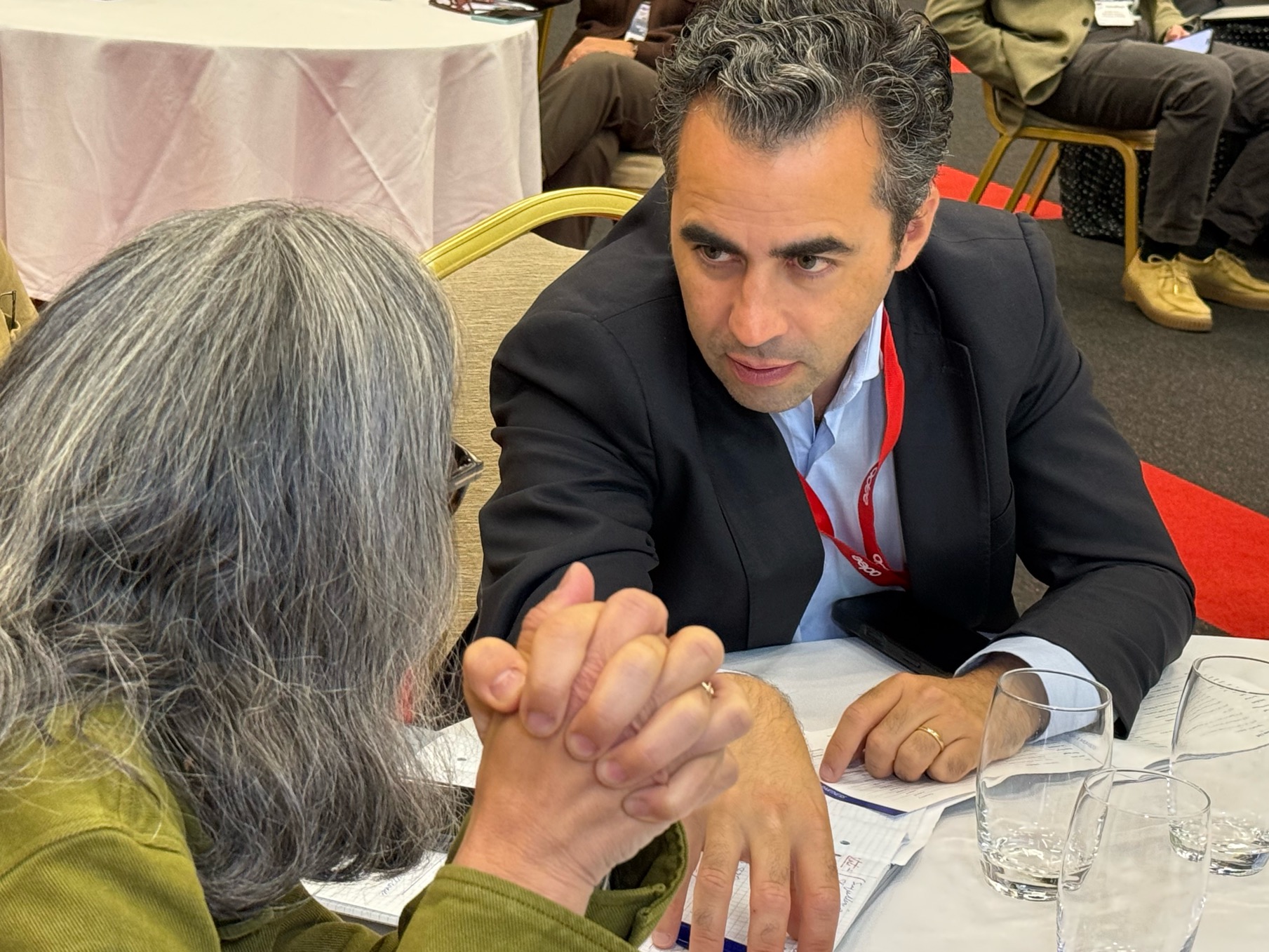
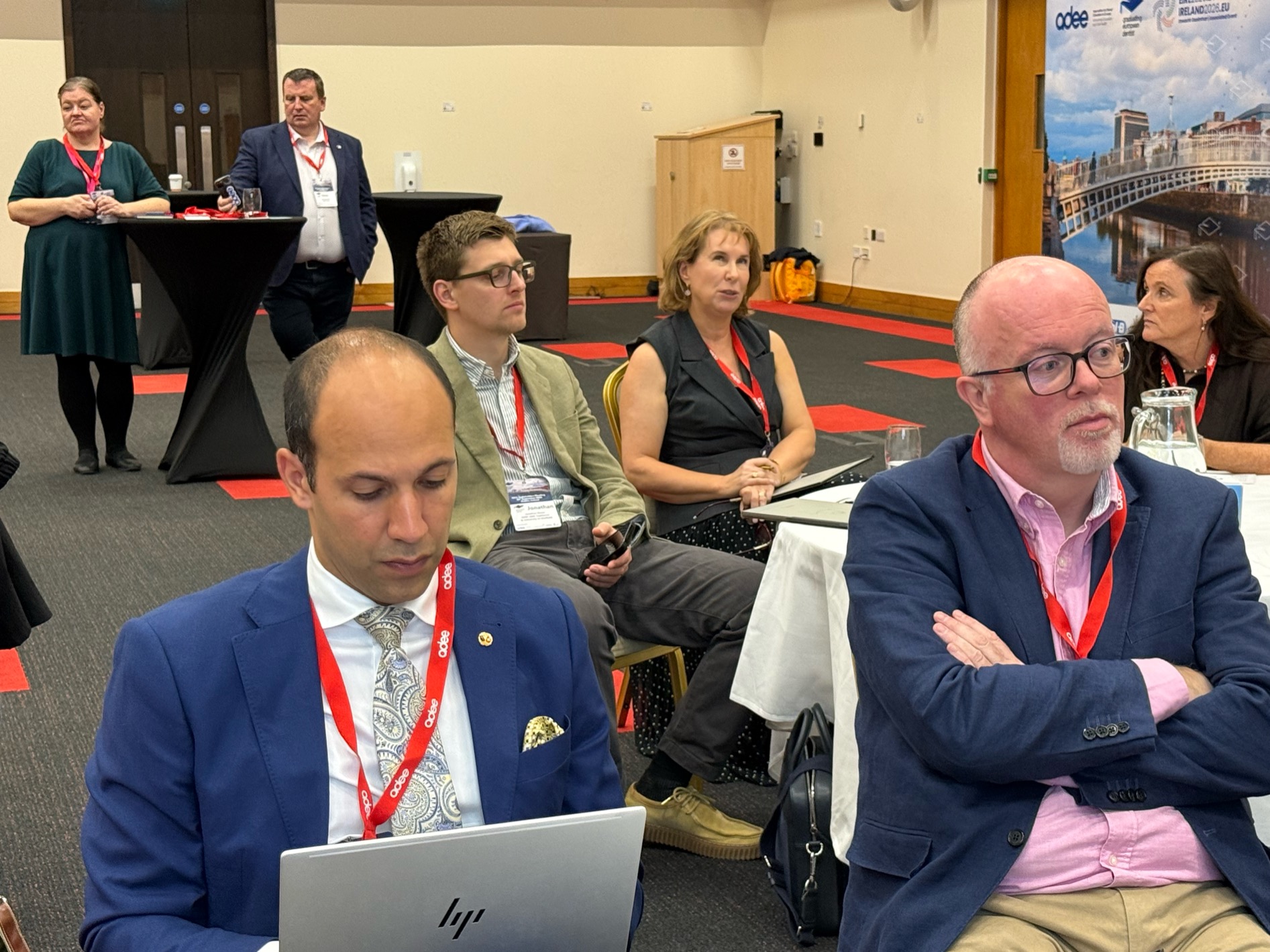
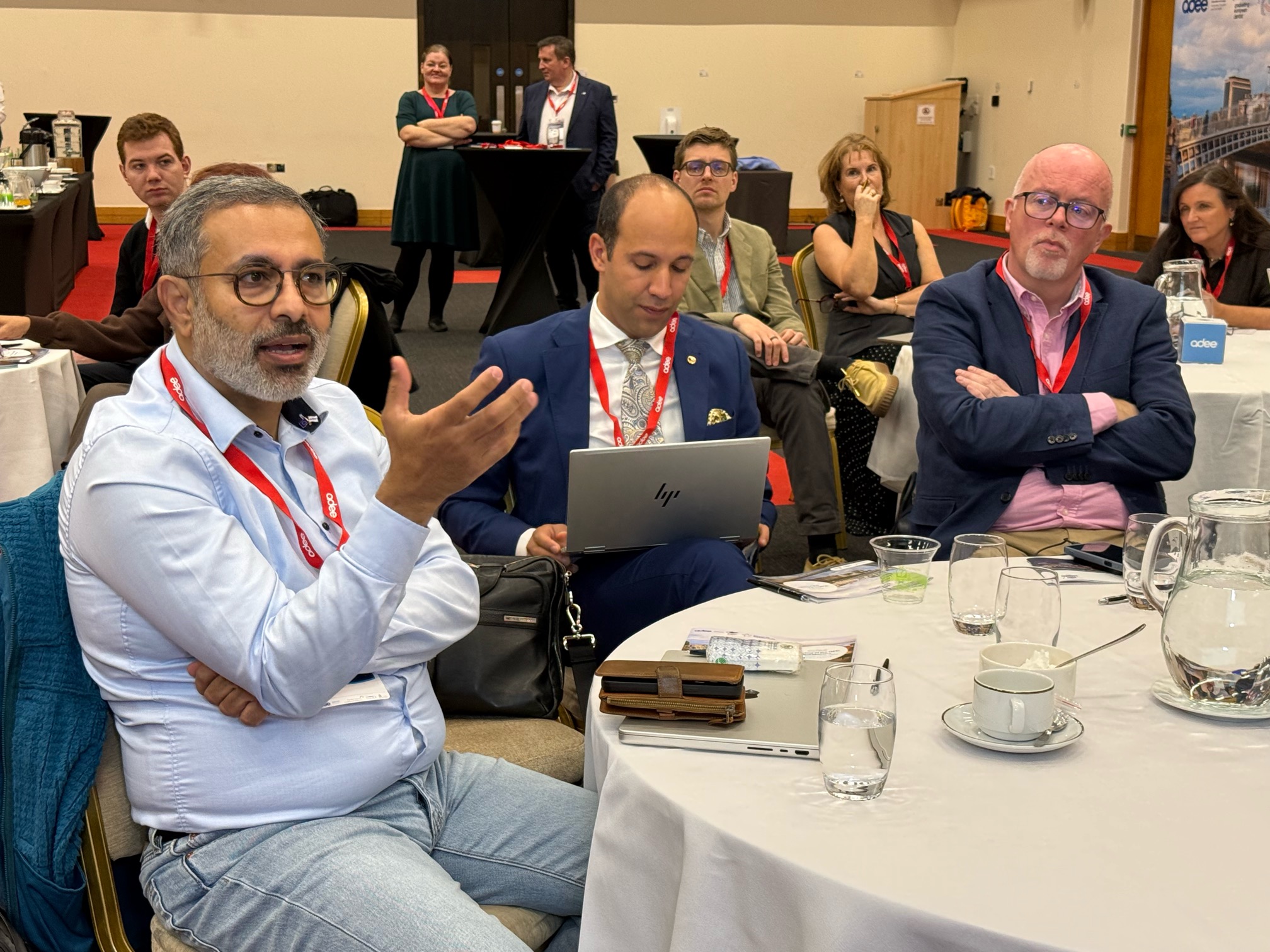
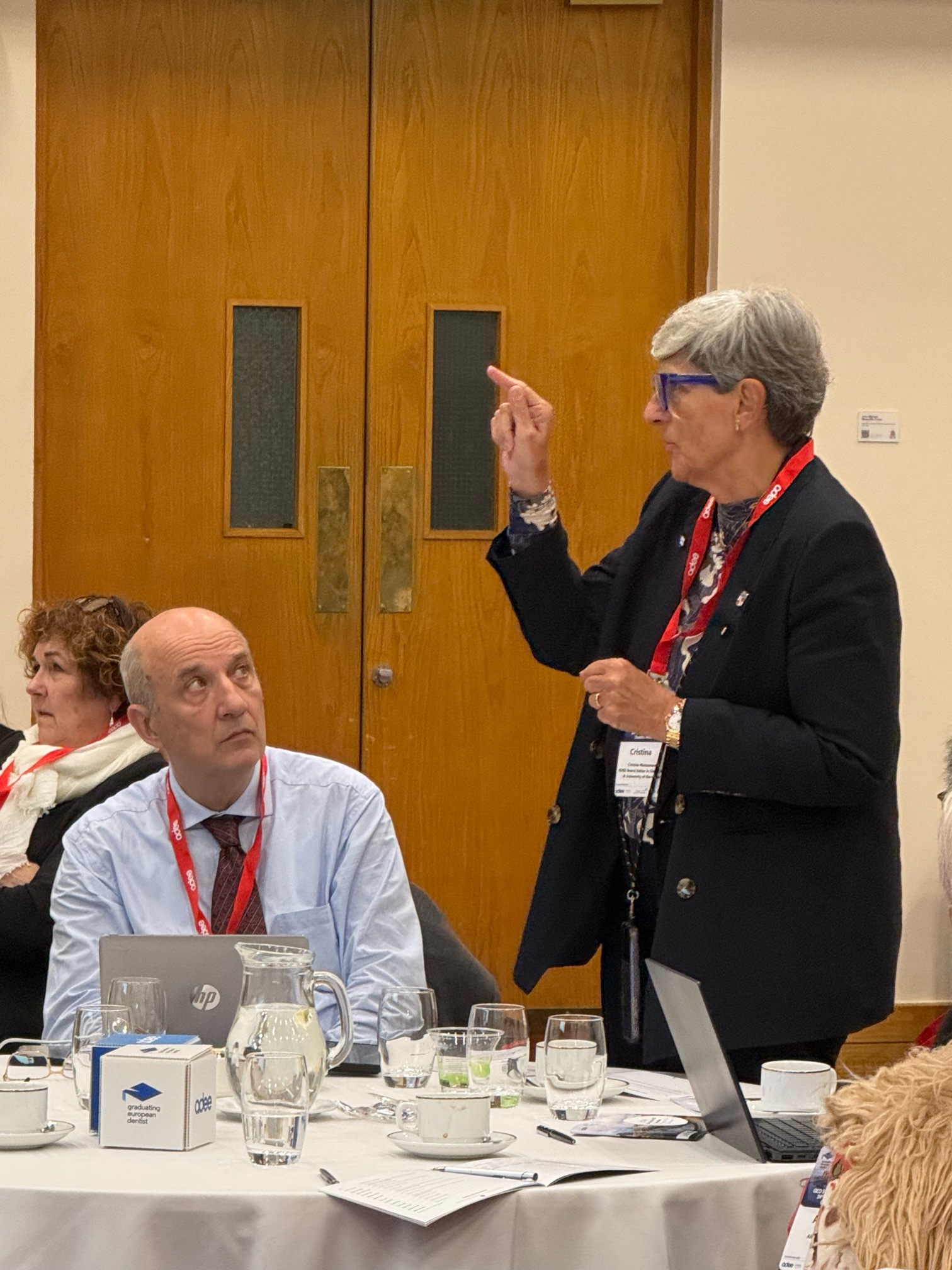
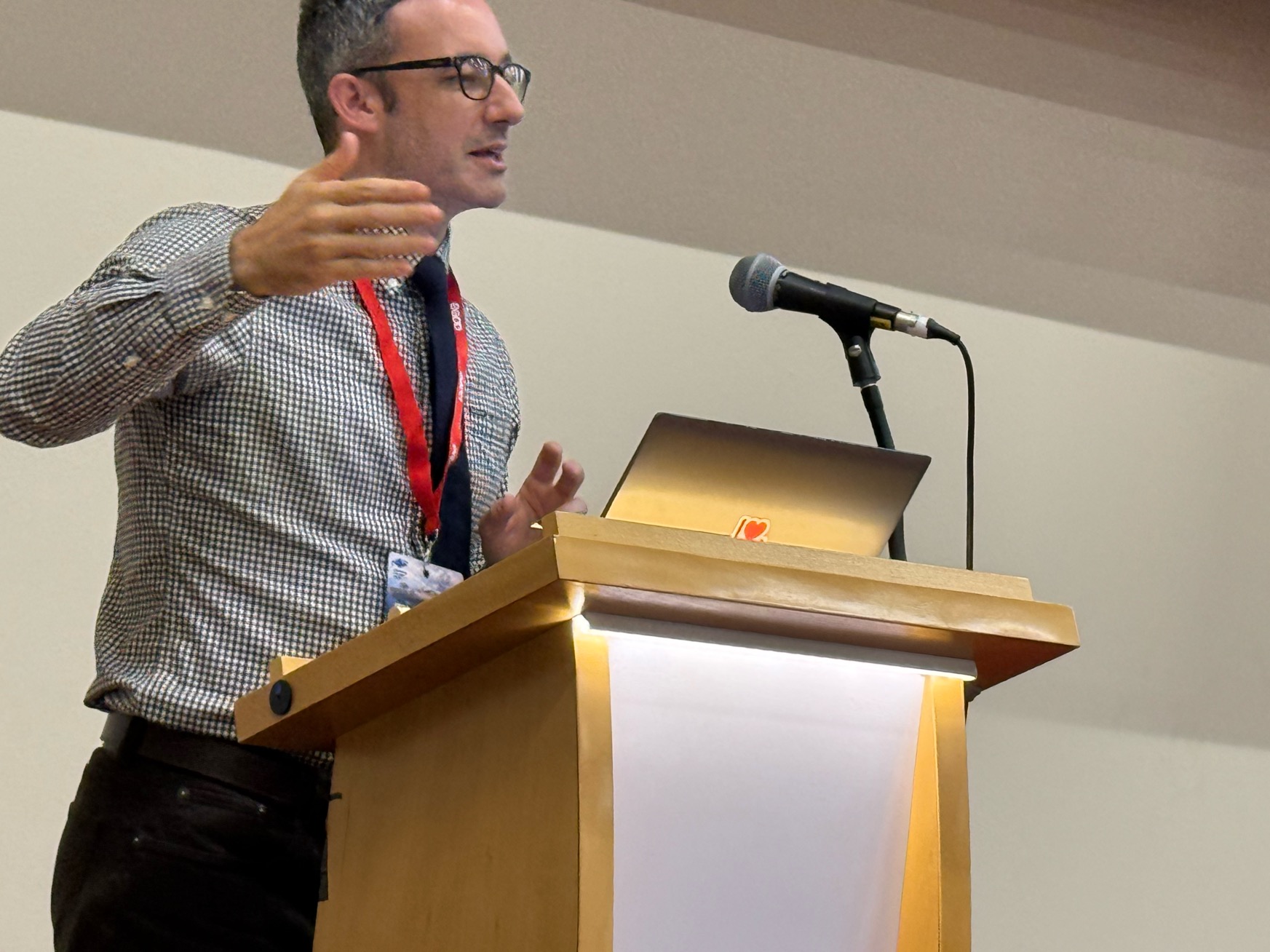
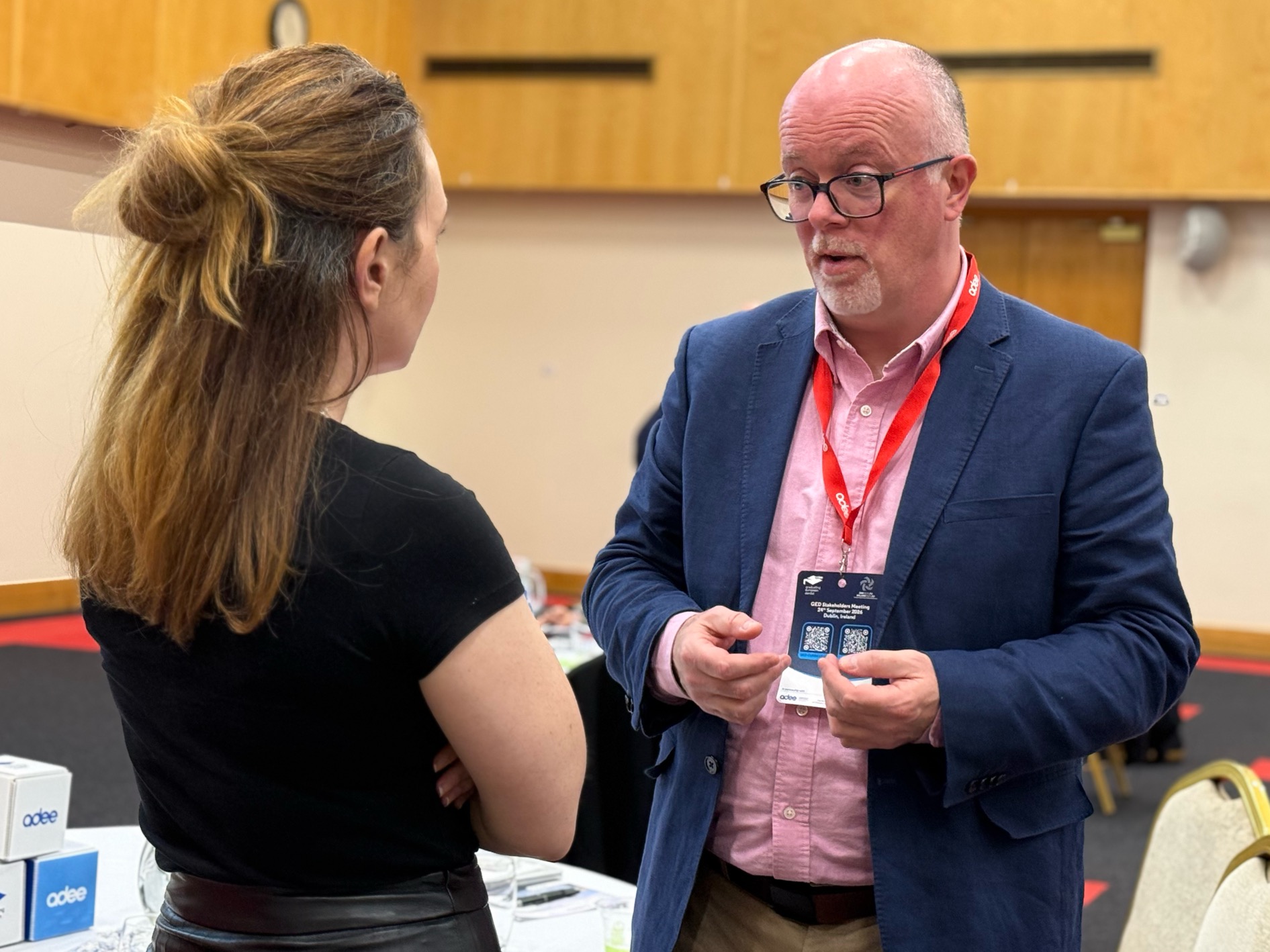
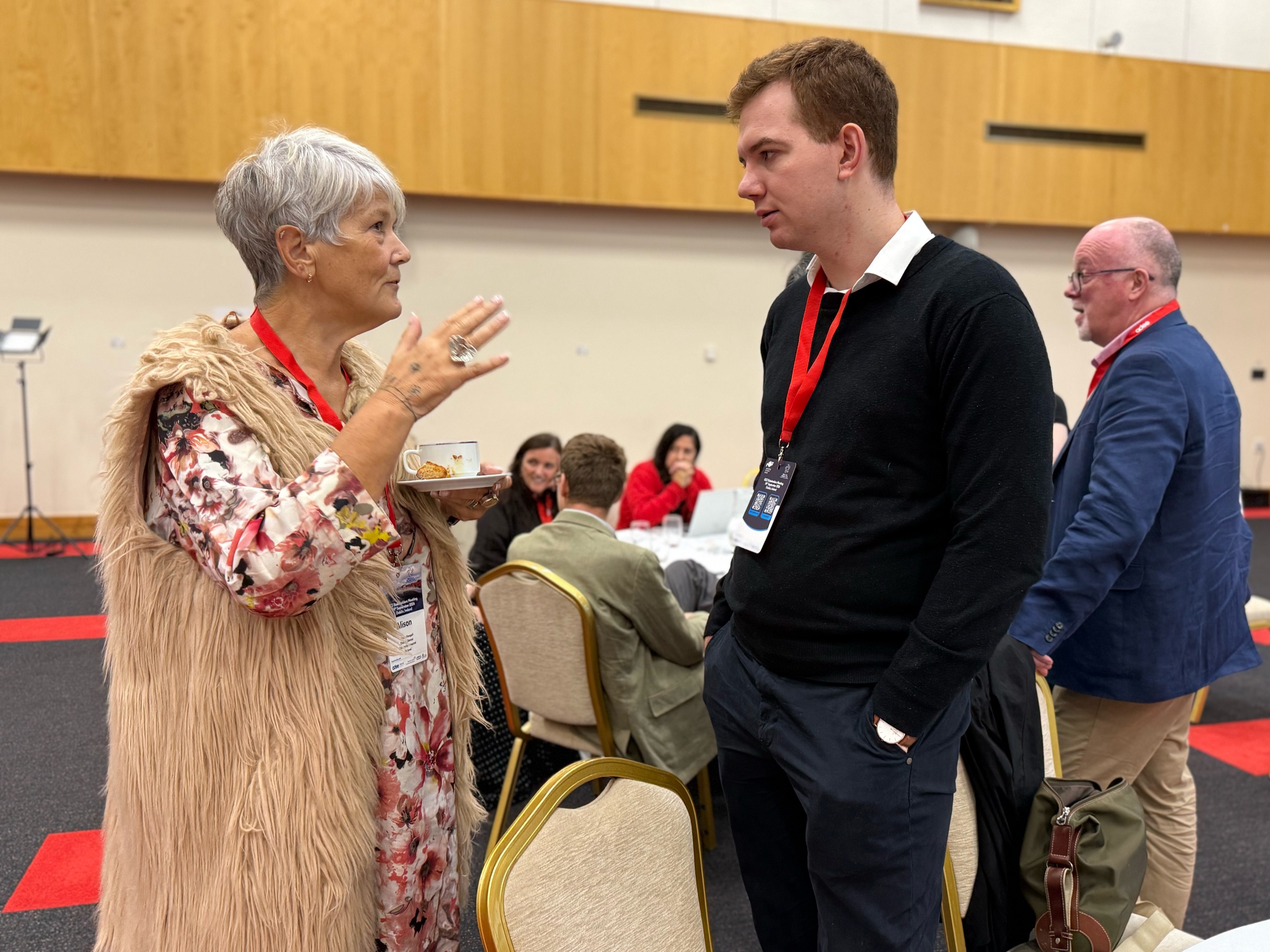
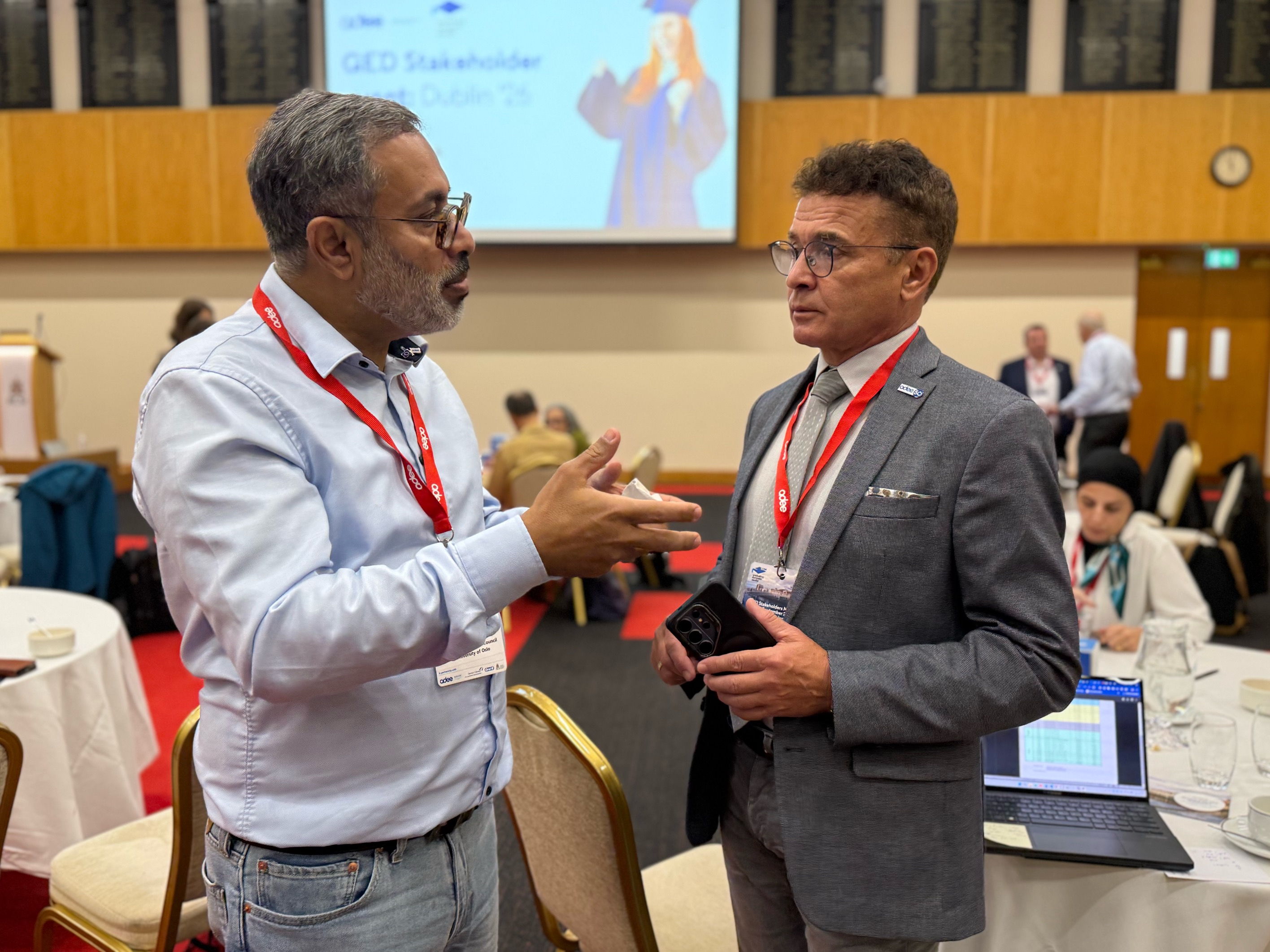
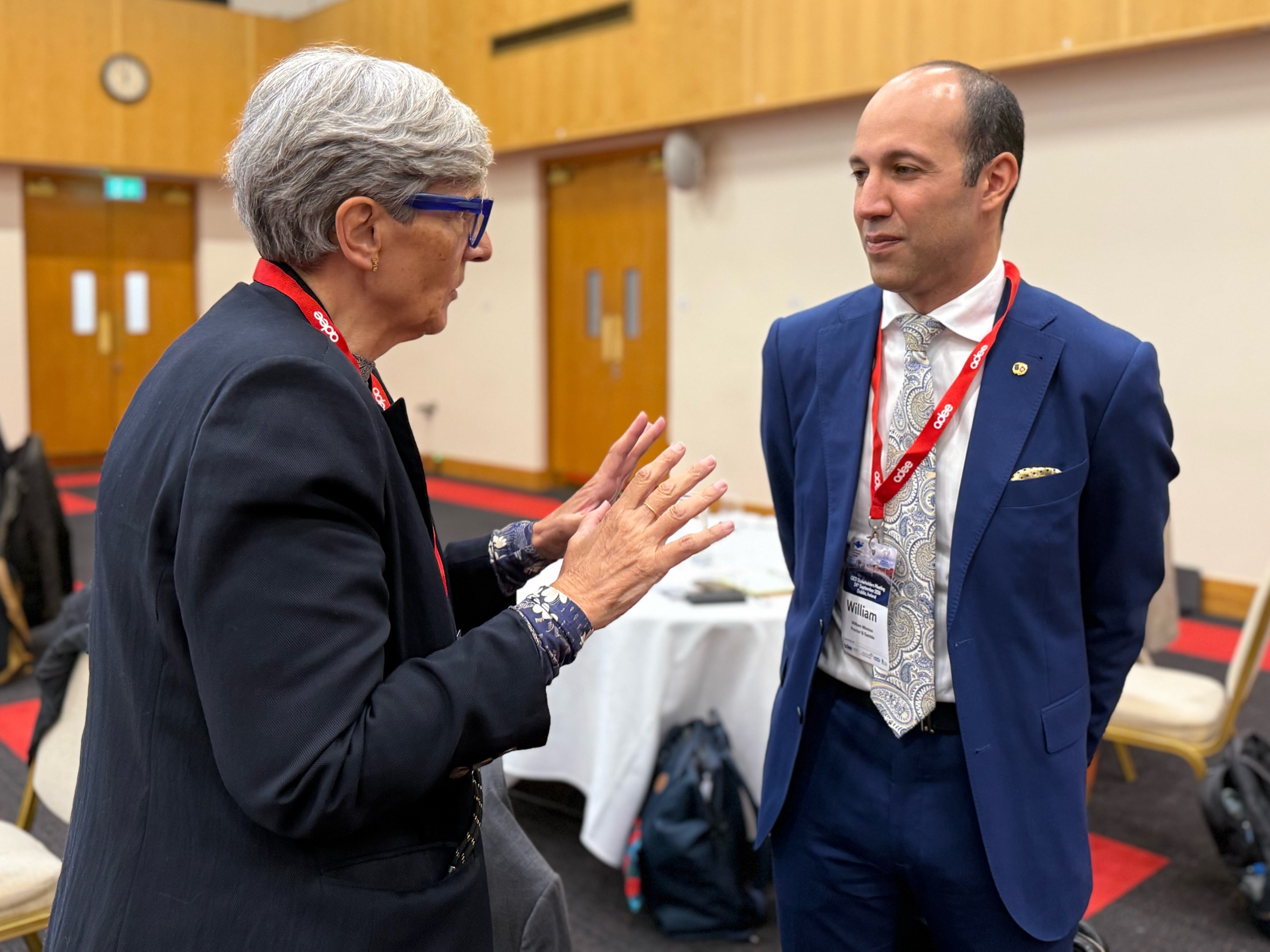
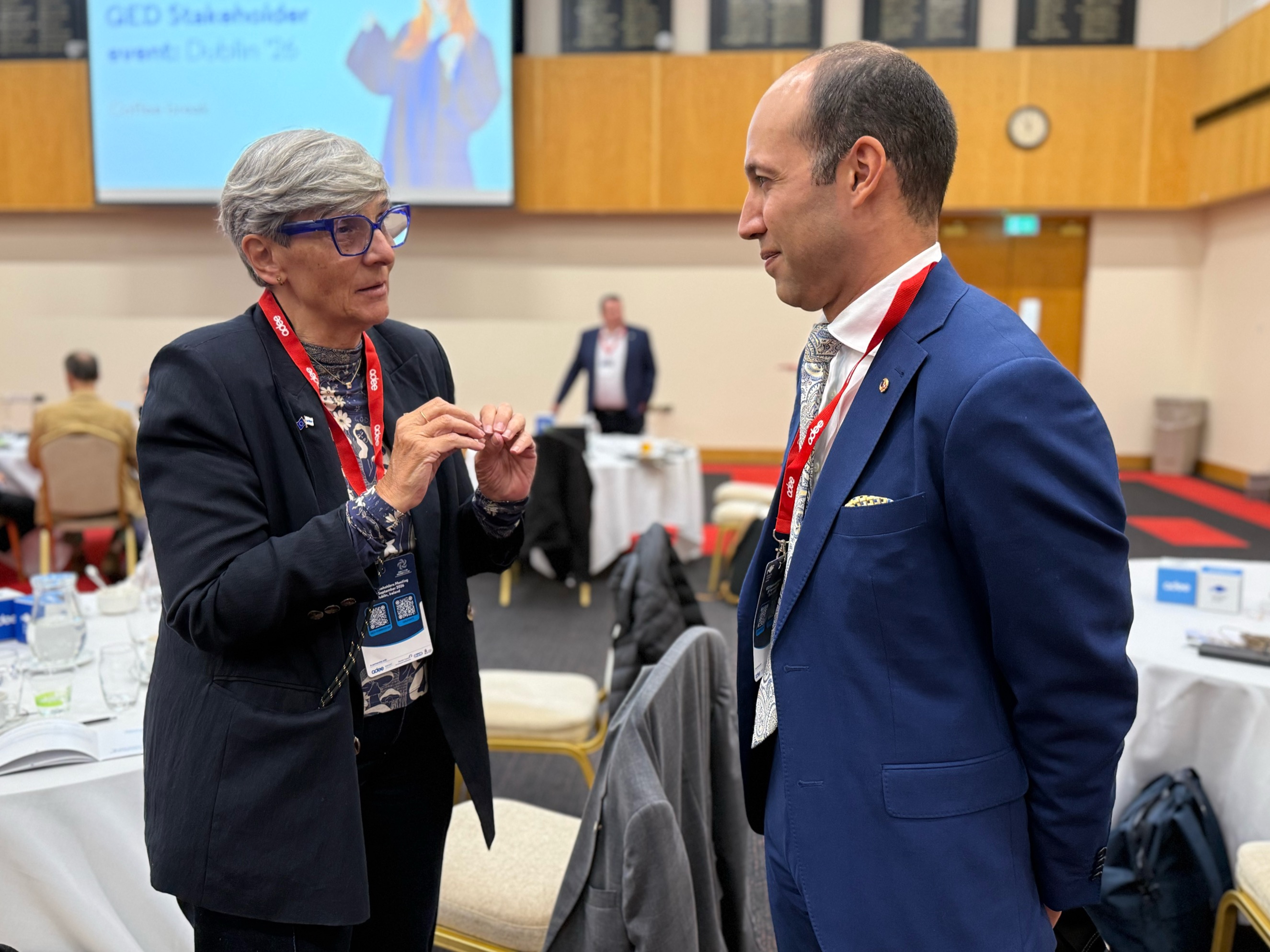
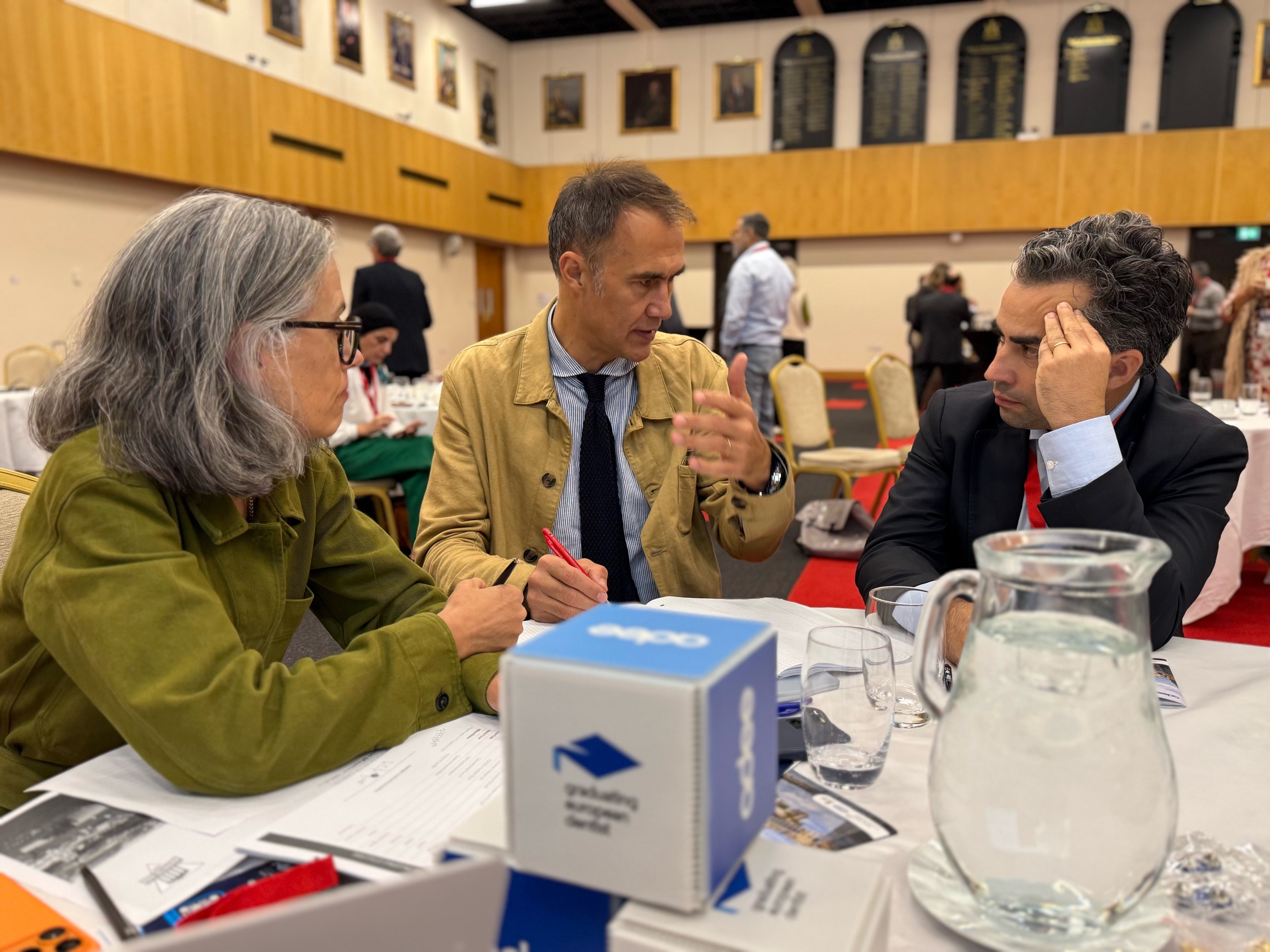
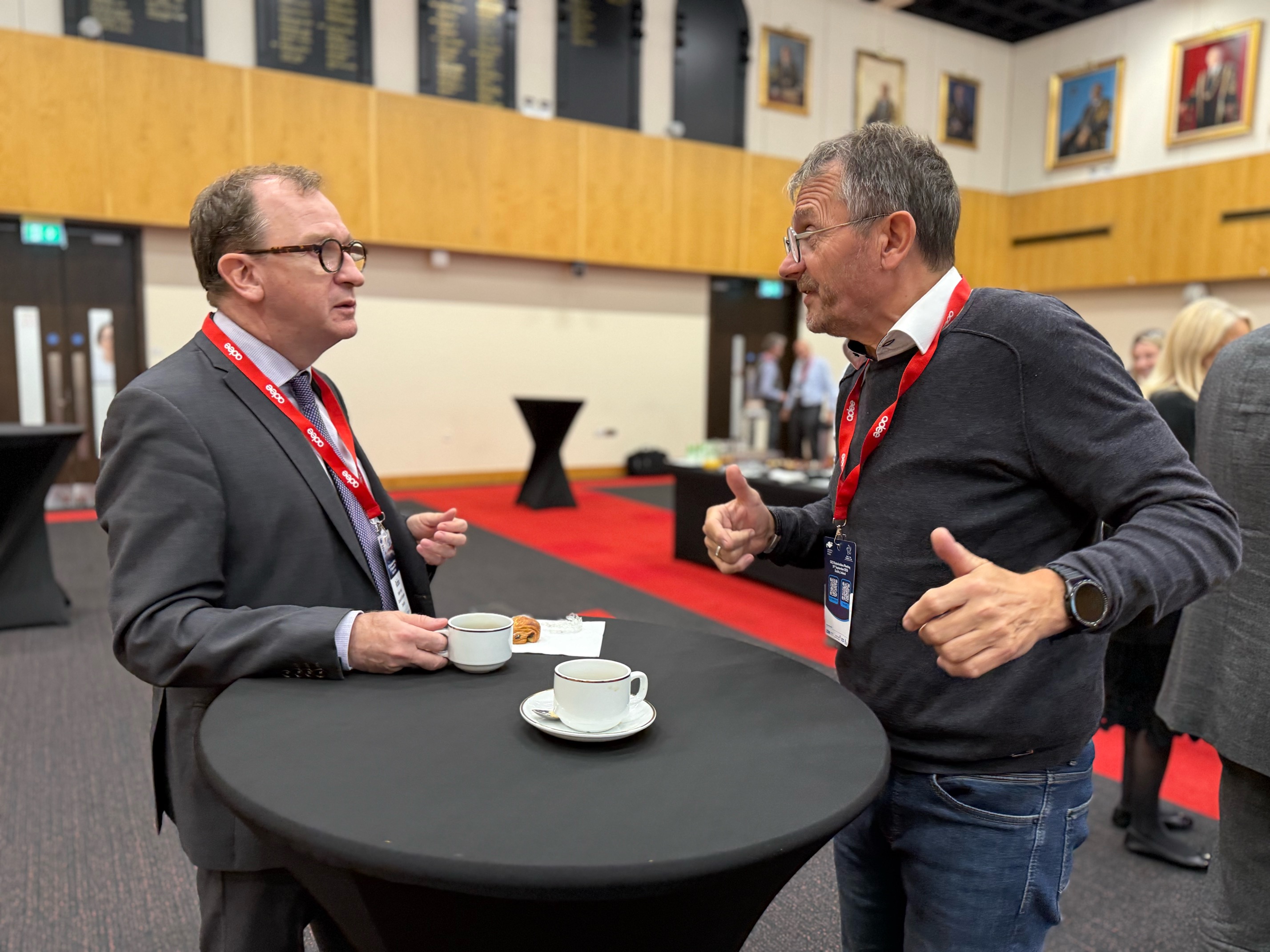
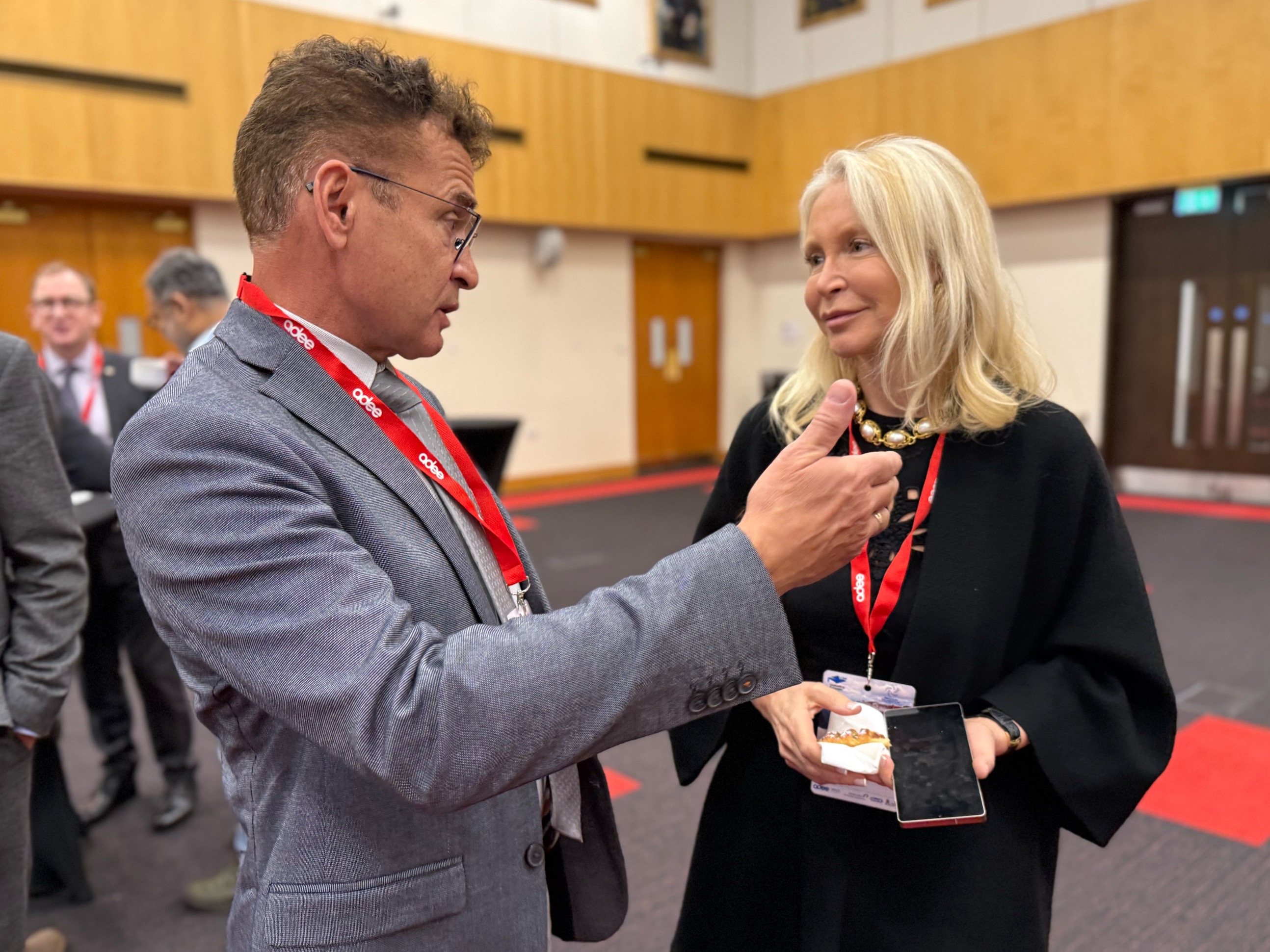
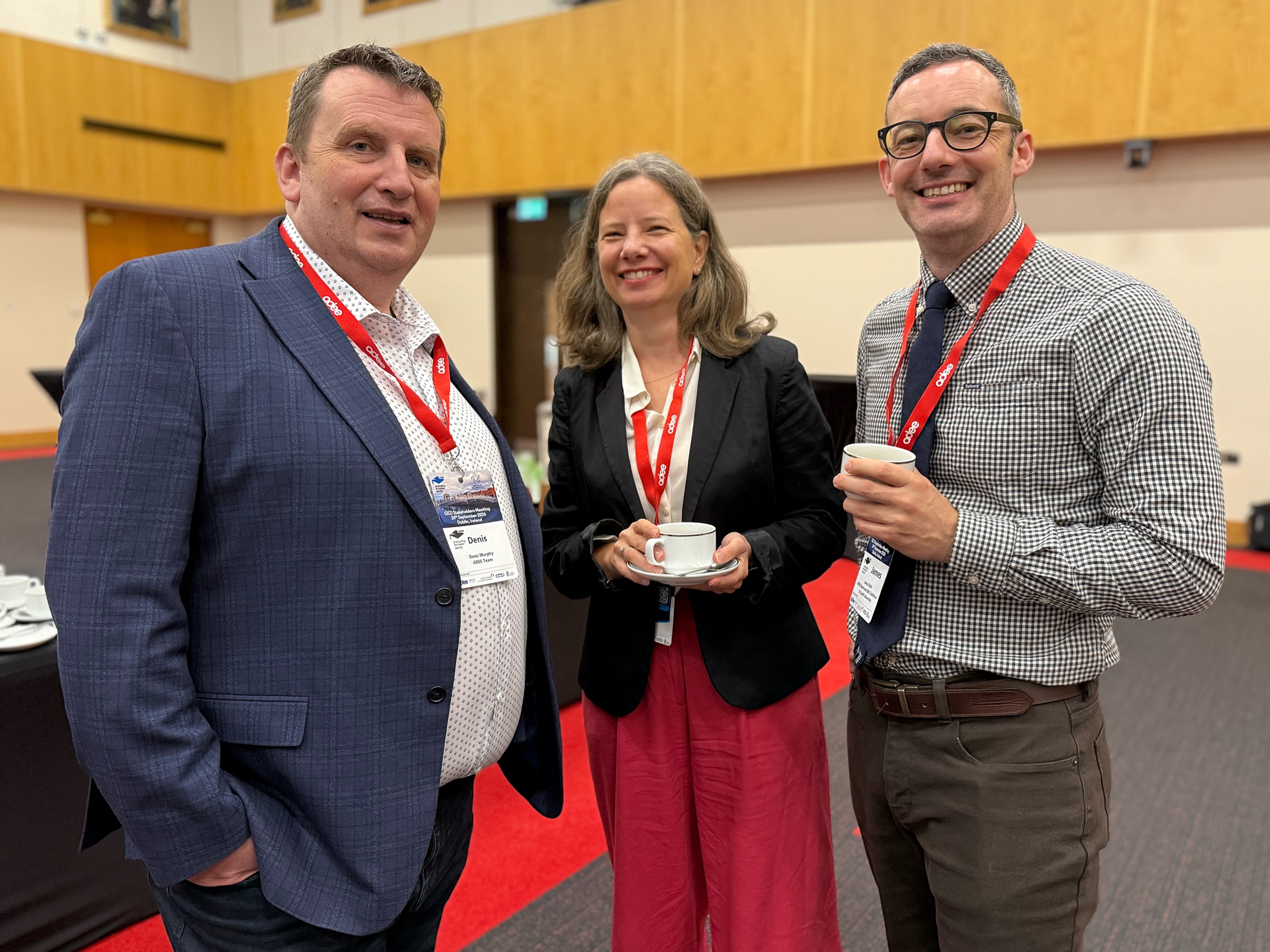
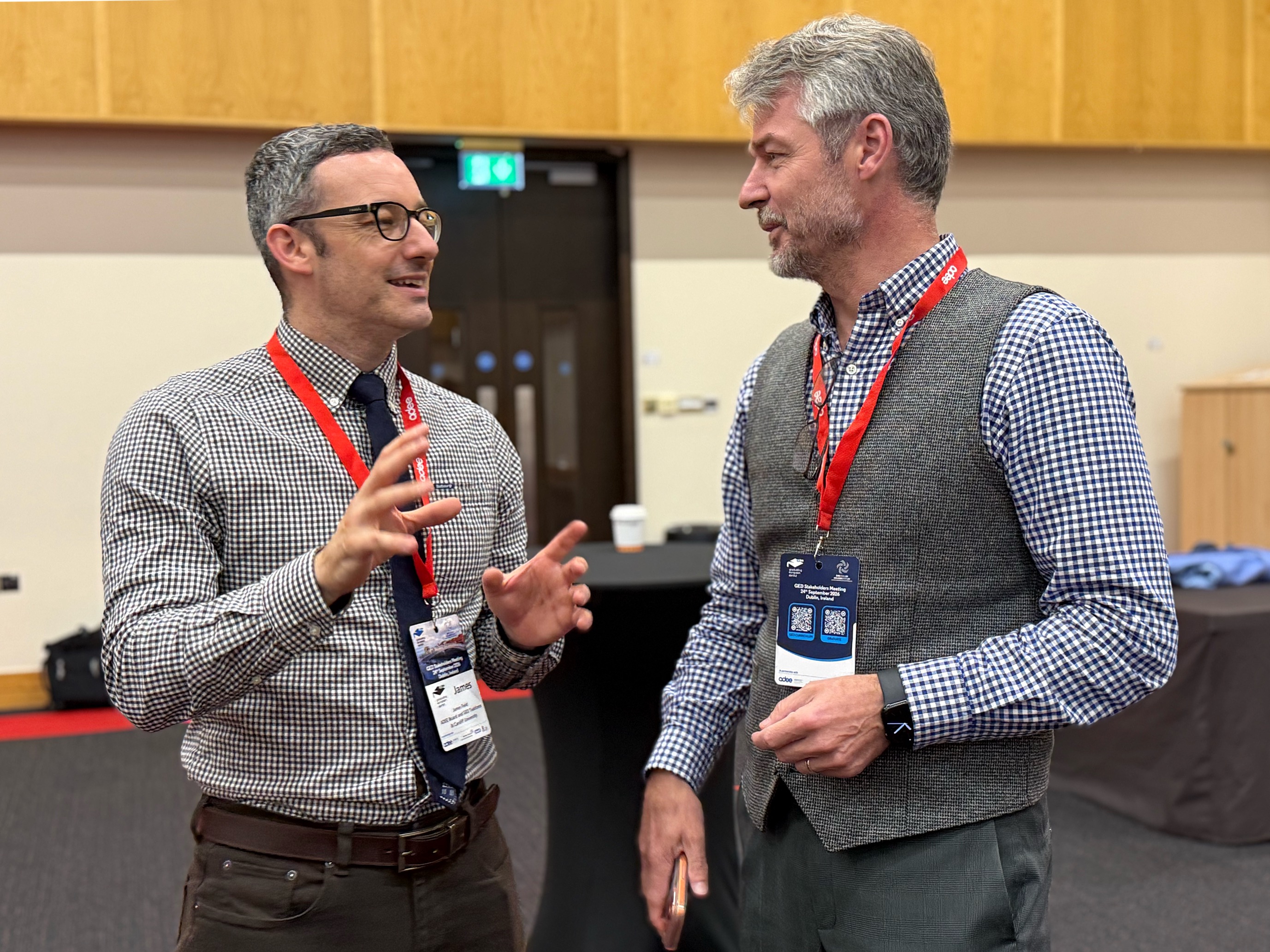
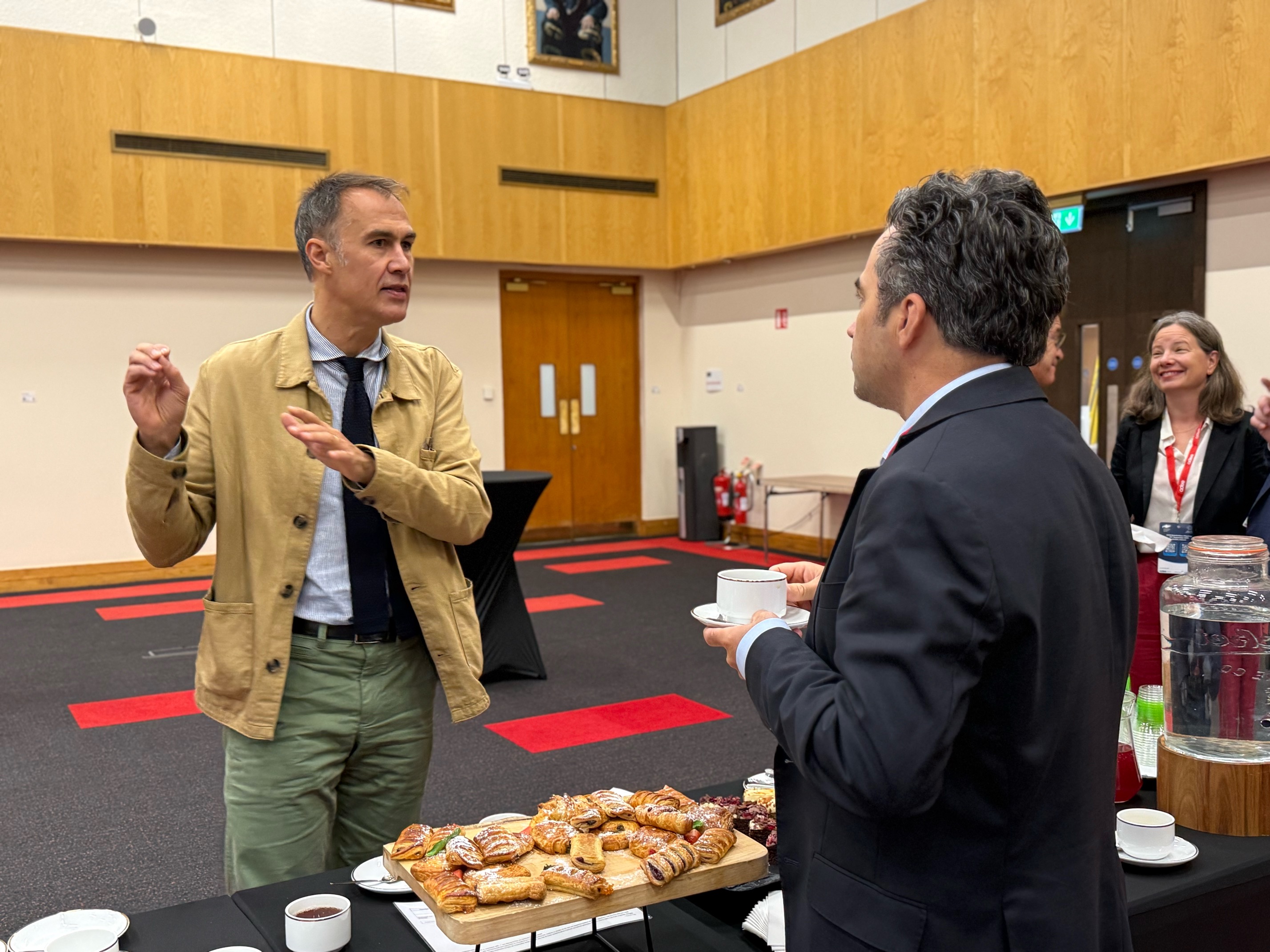
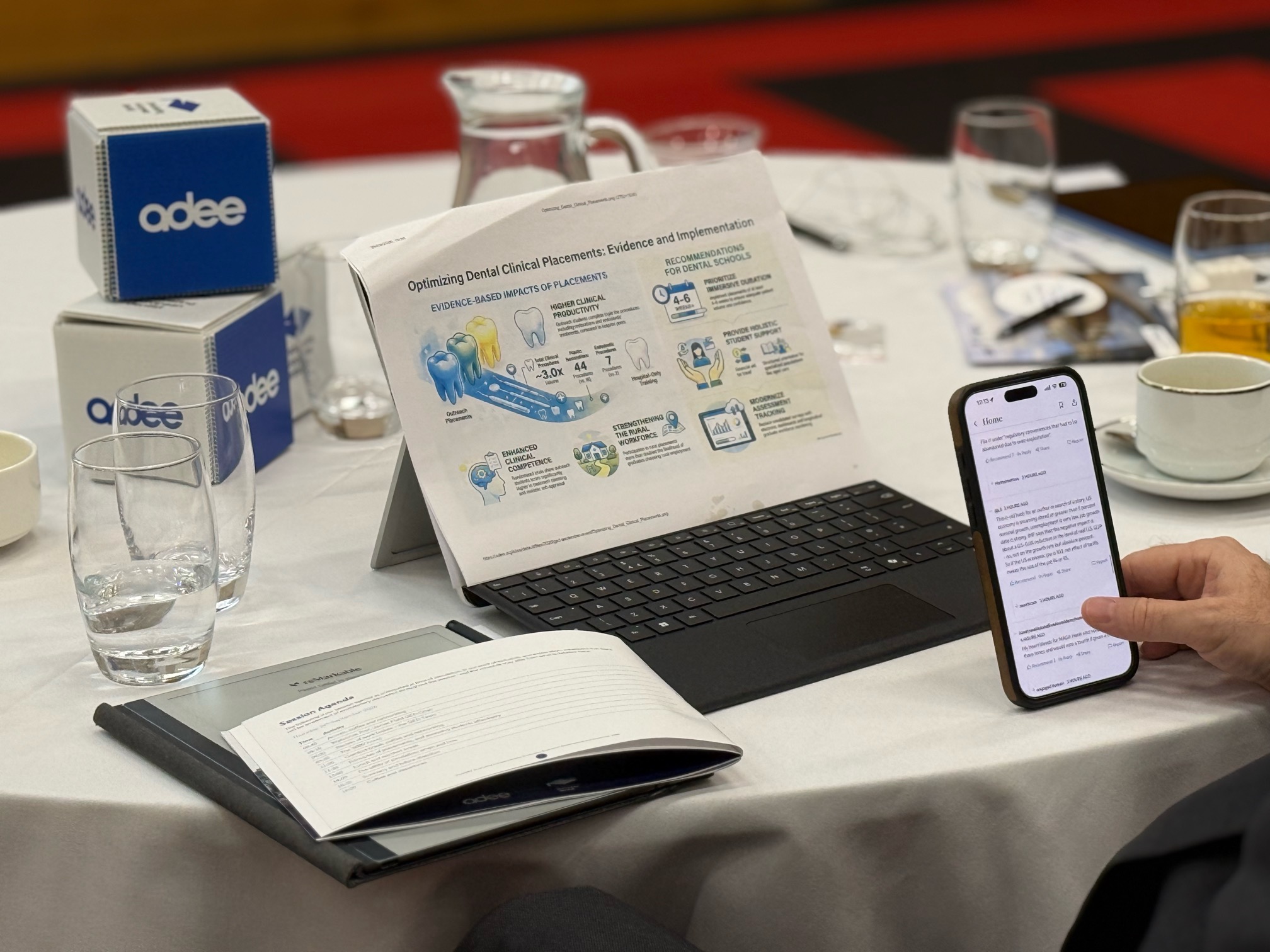
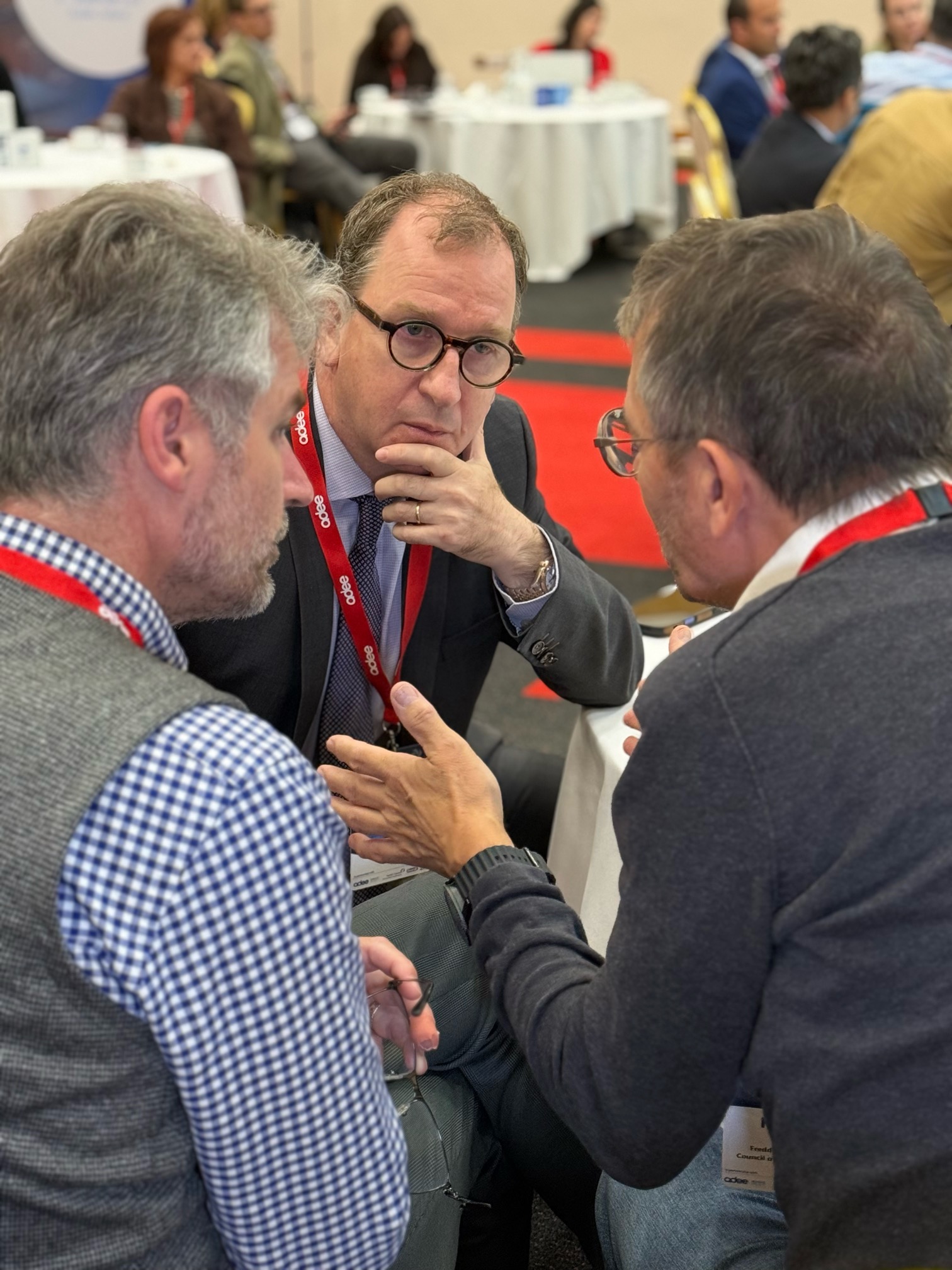
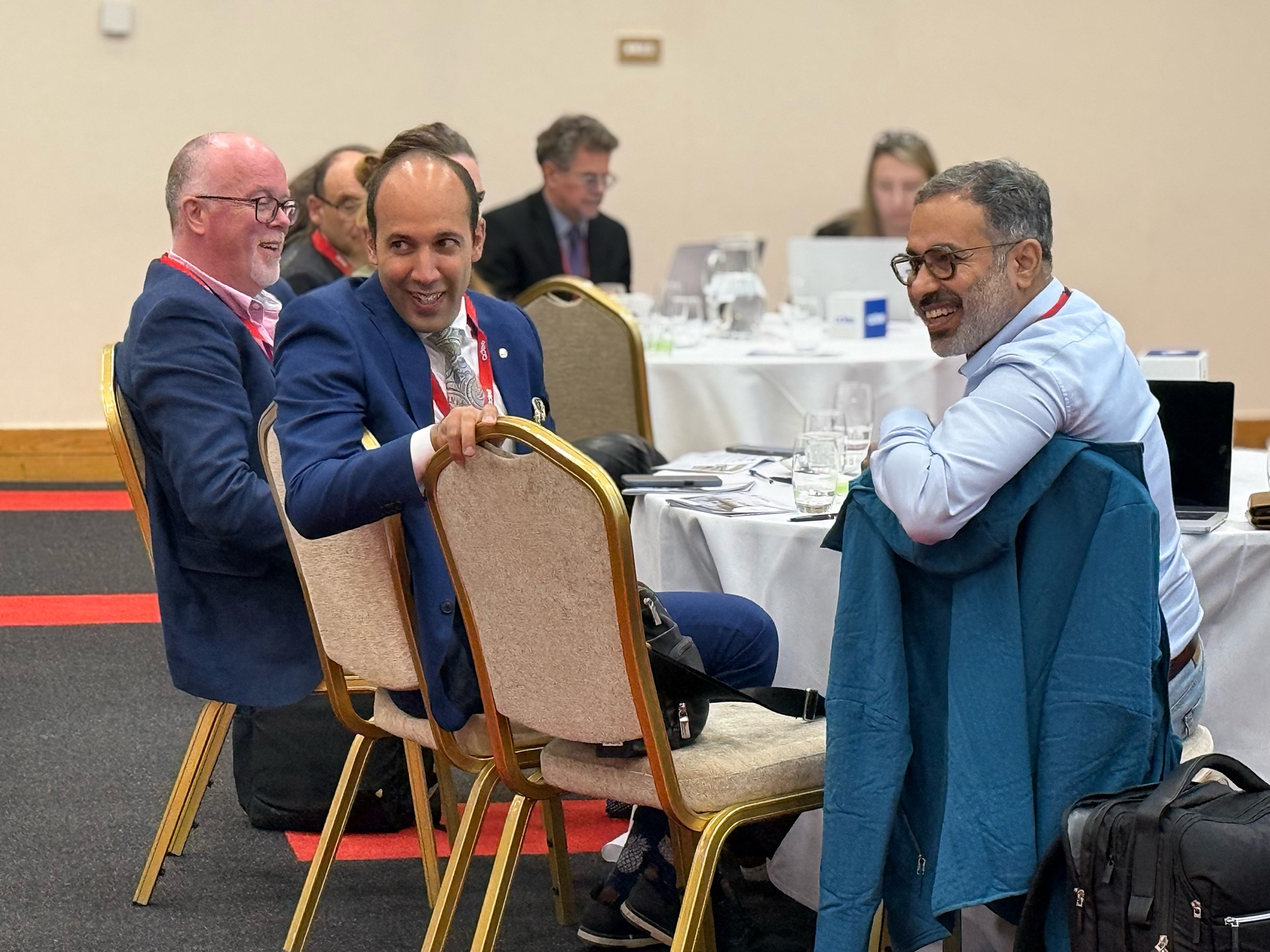
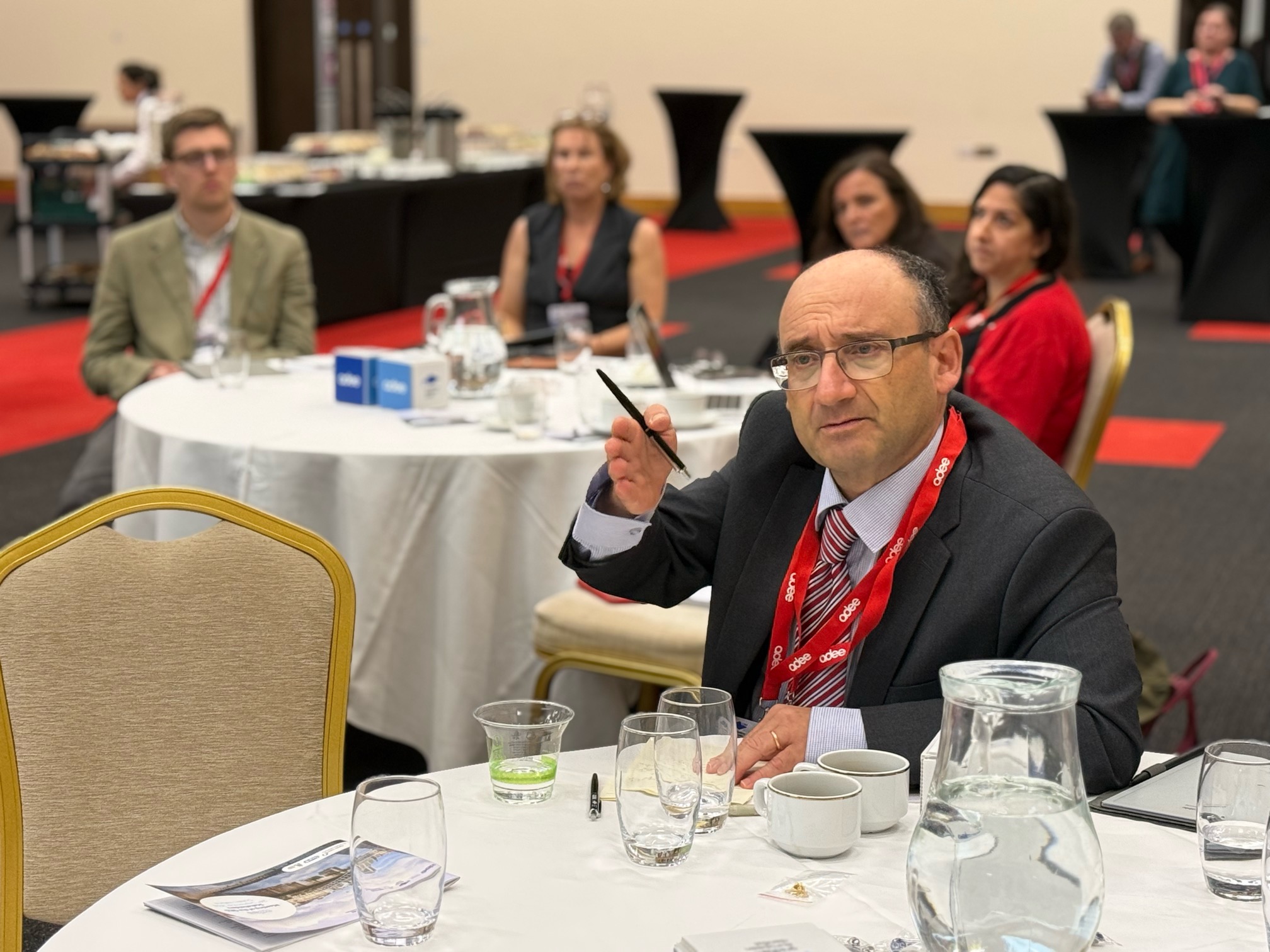
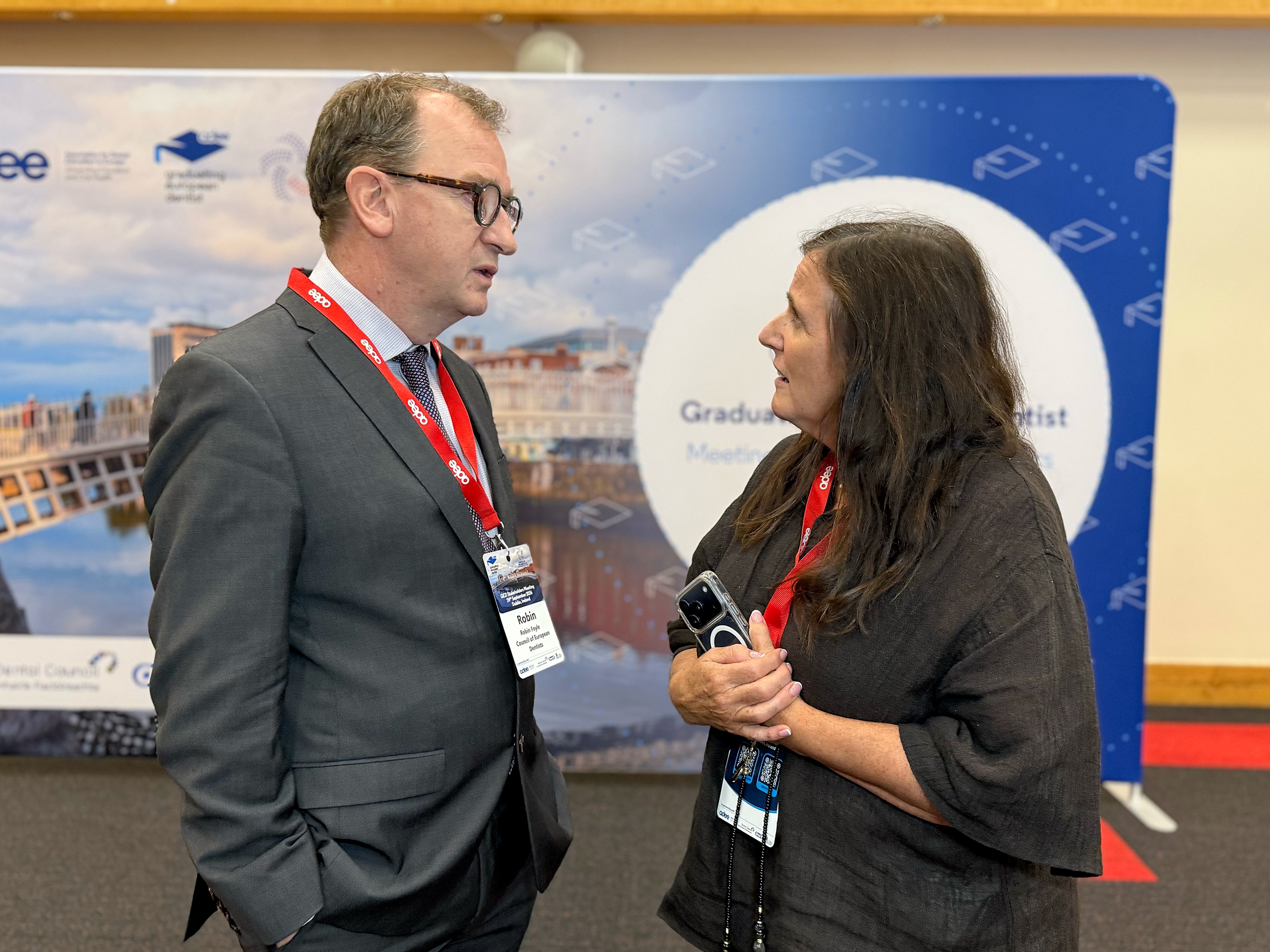
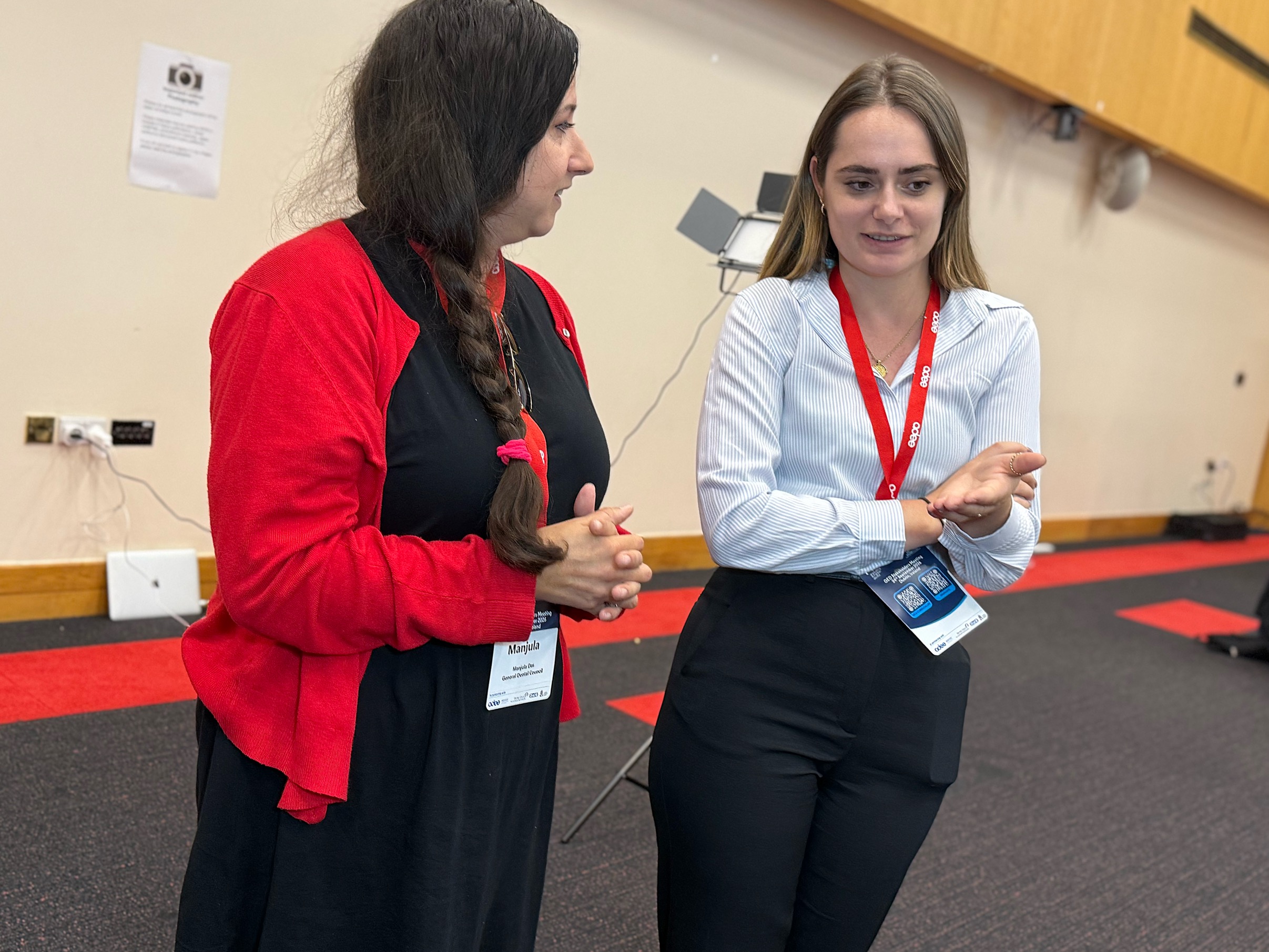
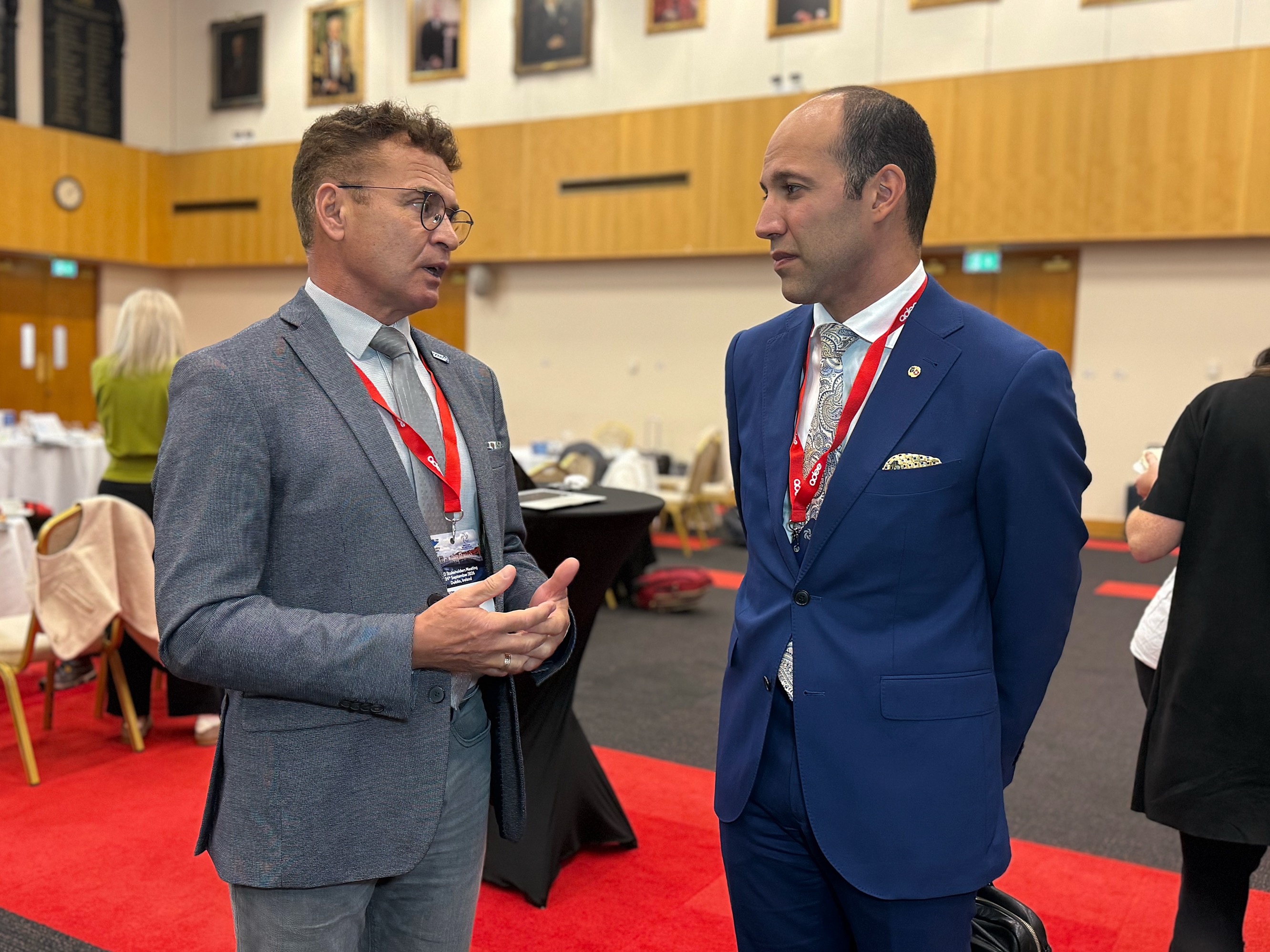
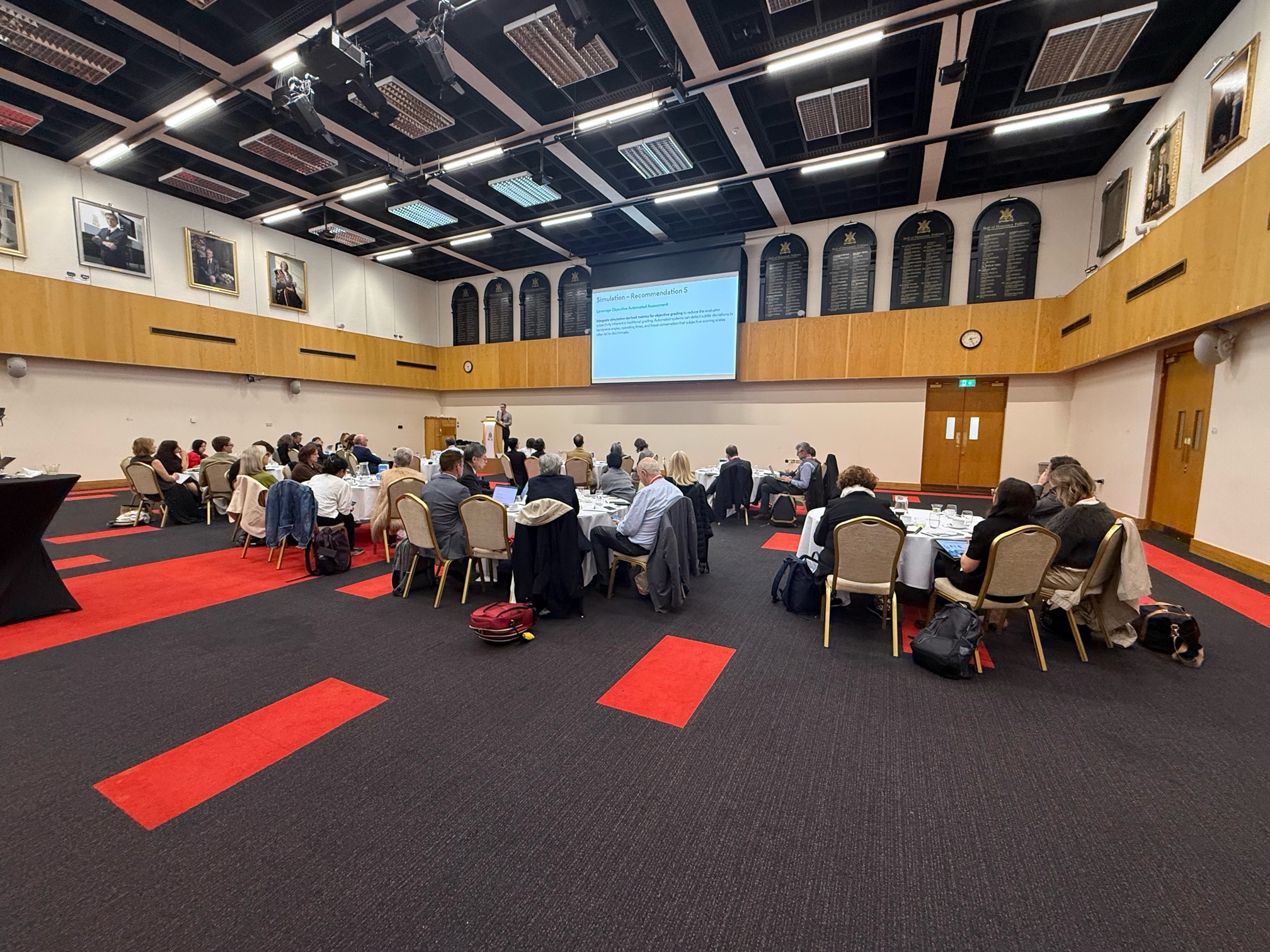
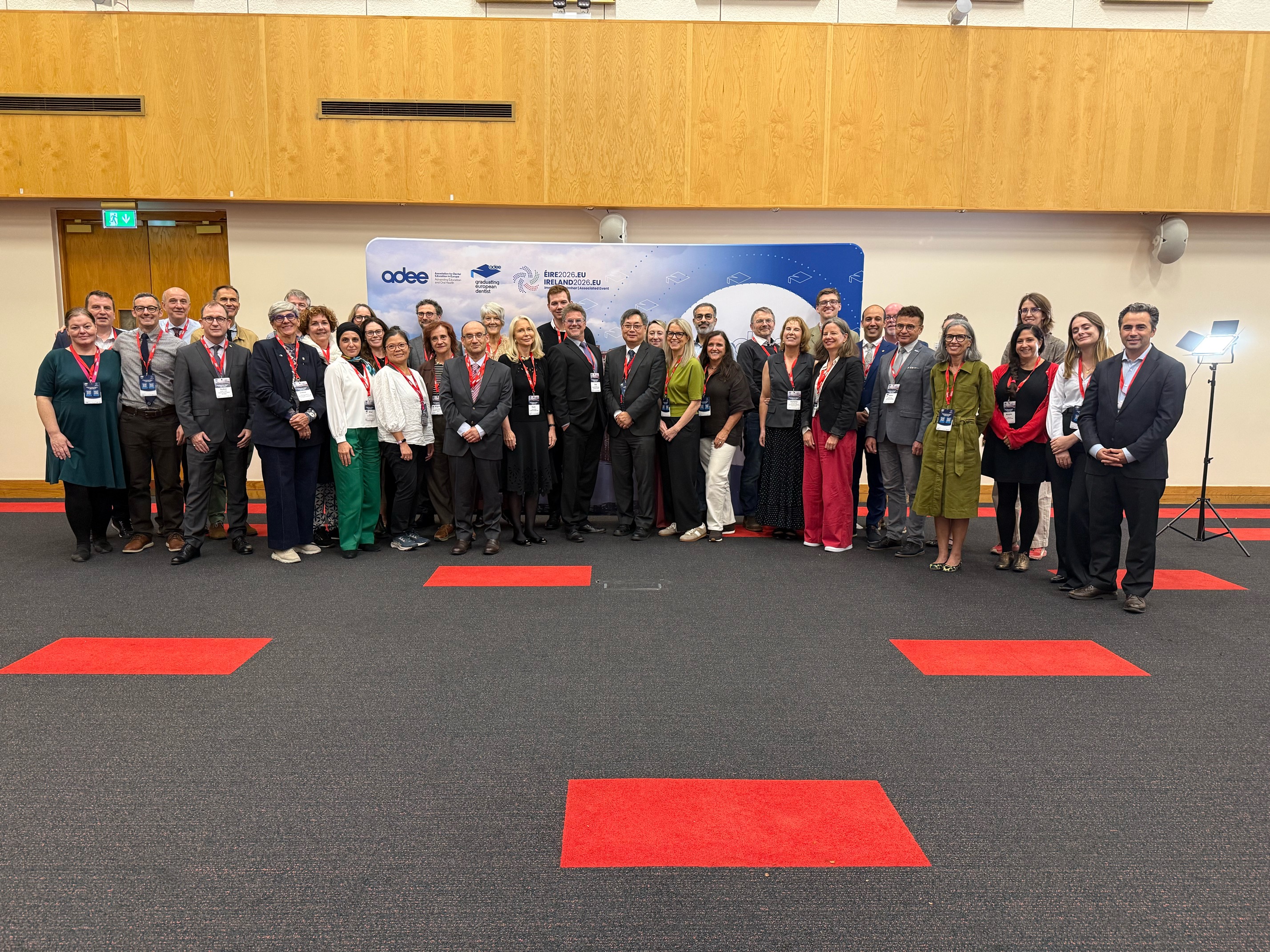
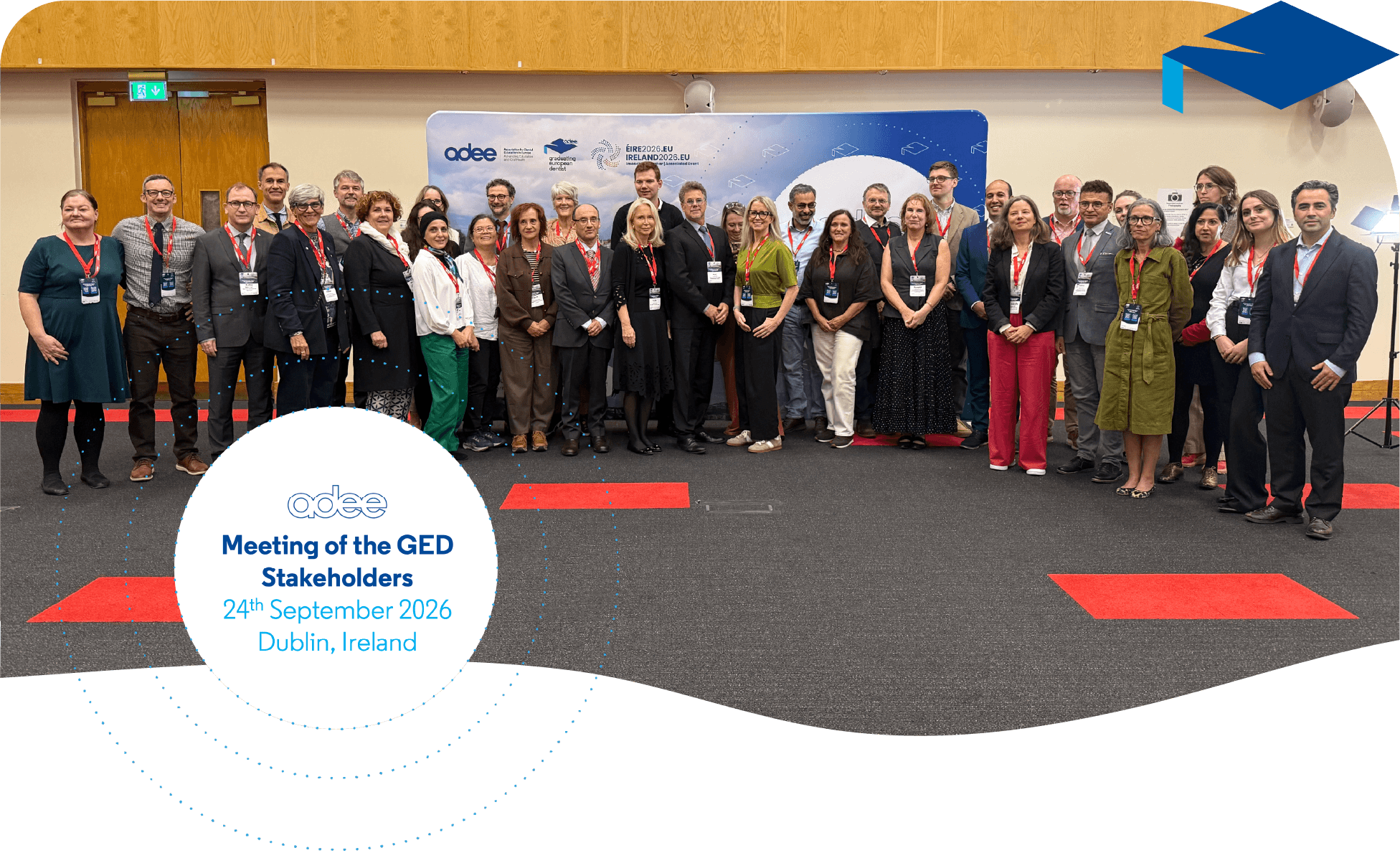
ADEE’s Graduating European Dentist taskforce hosted the third in its series of stakeholder forum meetings, at the Royal College of Surgeons in Ireland on Thursday the 24th of September 2026.
The stakeholder forum brings together representatives from the key European level stakeholders in academia, the professions (CED, EDHF), regulators (FEDCAR), departments of health and education (CECDO), the student bodies (EDSA) and of course, ADEE membership. As has become custom practise, these European level stakeholders were joined by their local national equivalents so as to inform regional discussion and how this is engaged with nationally.
The purpose of these stakeholder meetings is to unpack key elements of the Graduating European Dentist framework, so as to explore areas of guidance and shared position that will help institutions enable a higher quality education provision to our students. This particular meeting focused on three interlinked components of:
- Training hours
- Principles of placement, and
- The utility of simulation.
Thanks to the support of the Chief Dental Officer’s Office in Ireland and the Irish Dental Council, ADEE was delighted that this meeting was awarded official ‘associated event’ status with Ireland’s EU presidency meeting schedule.
The GED team would like to sincerely thank Dr Dymphna Kavanagh, Chief Dental Officer Ireland, Mr Paul Lyons of the Irish Dental Council as well as Professor Albert Leung from the RCSI for their assistance in facilitating this meeting.
Delegates were welcomed to the RCSI by Prof Tracy Robson Deputy Vice Chancellor for Academic Affairs at RCSI. Prof Robson expressed her delight at welcoming such a forward-looking and output-focused group to RCSI at a time when RCSI themselves had recently rejoined the provision of dental undergraduate training in Ireland. Prof Robson stressed the importance of consensus-making and ADEE’s ongoing drive for harmonisation that will ultimately enable greater graduate mobility and higher quality education provision as standards.
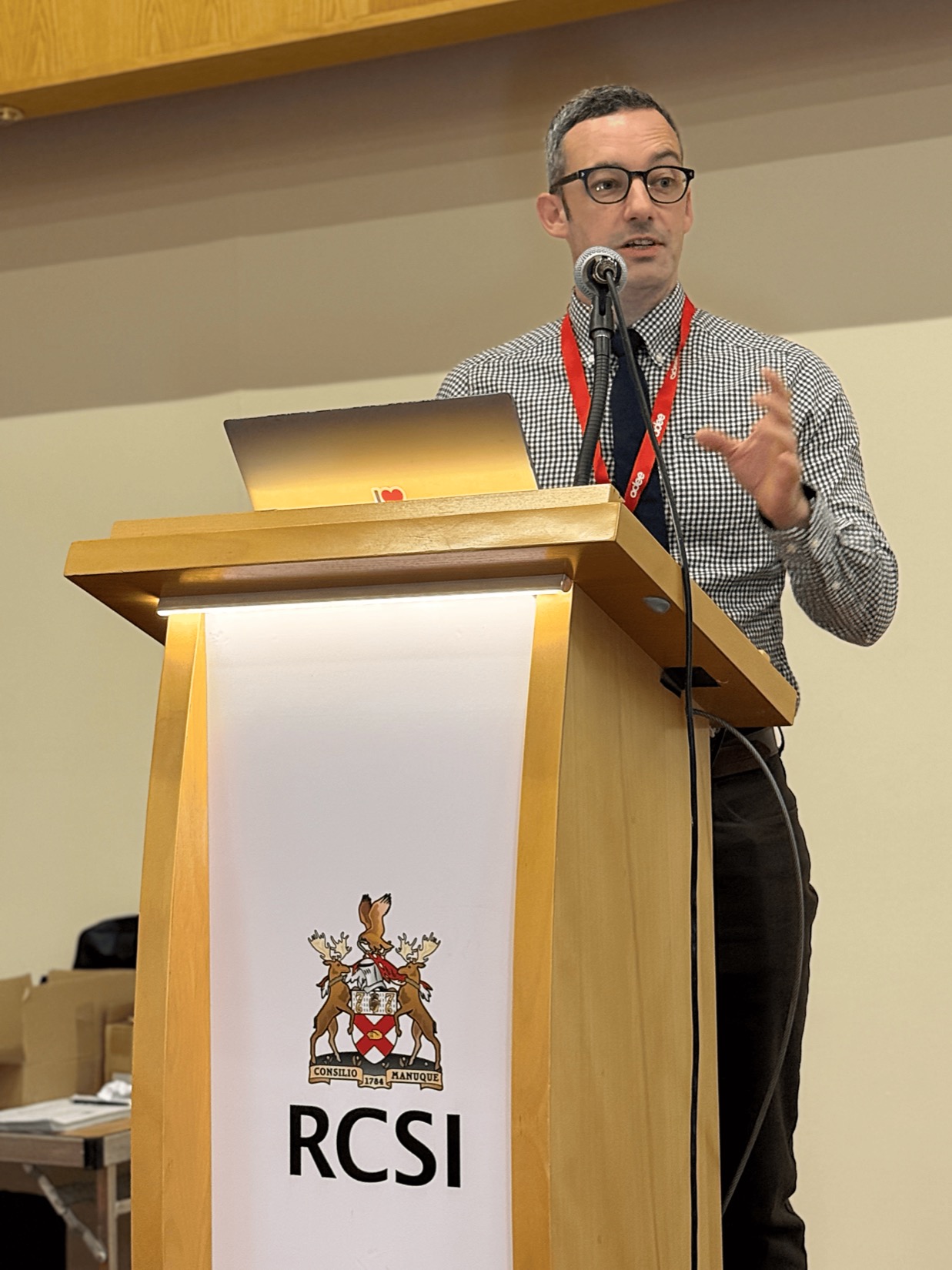
Prof James Field, ADEE’s GED Taskforce Chair, guided delegates through a considerable volume of contemporary literature, contextual and environmental analysis, and initial findings from pre-circulated opportunities for qualitative data collection on each of the session’s topics. The ultimate aim of the session was to identify the enablers and barriers to possible more effective and transparent harmonised approaches to each of the three topics in the absence of a more effective and defined European Directive. Throughout the session the uniqueness of various regional and national context were explored and discussed as exemplars of best practice or examples of where simple but effective changes could be identified.
The following are very brief summaries of the evolving discussing points:
Having collected considerable data at the session, the GED team will now run thematic analysis on this and revert to the stakeholders with a draft position paper on these three core themes. We hope the paper will be published and sharable with membership in mid Spring 2027.
The GED taskforce looks forward to the next stakeholder forum which will be held in Vilnius on 12th February 2027, kindly hosted by the Lithuanian Dental Chamber.
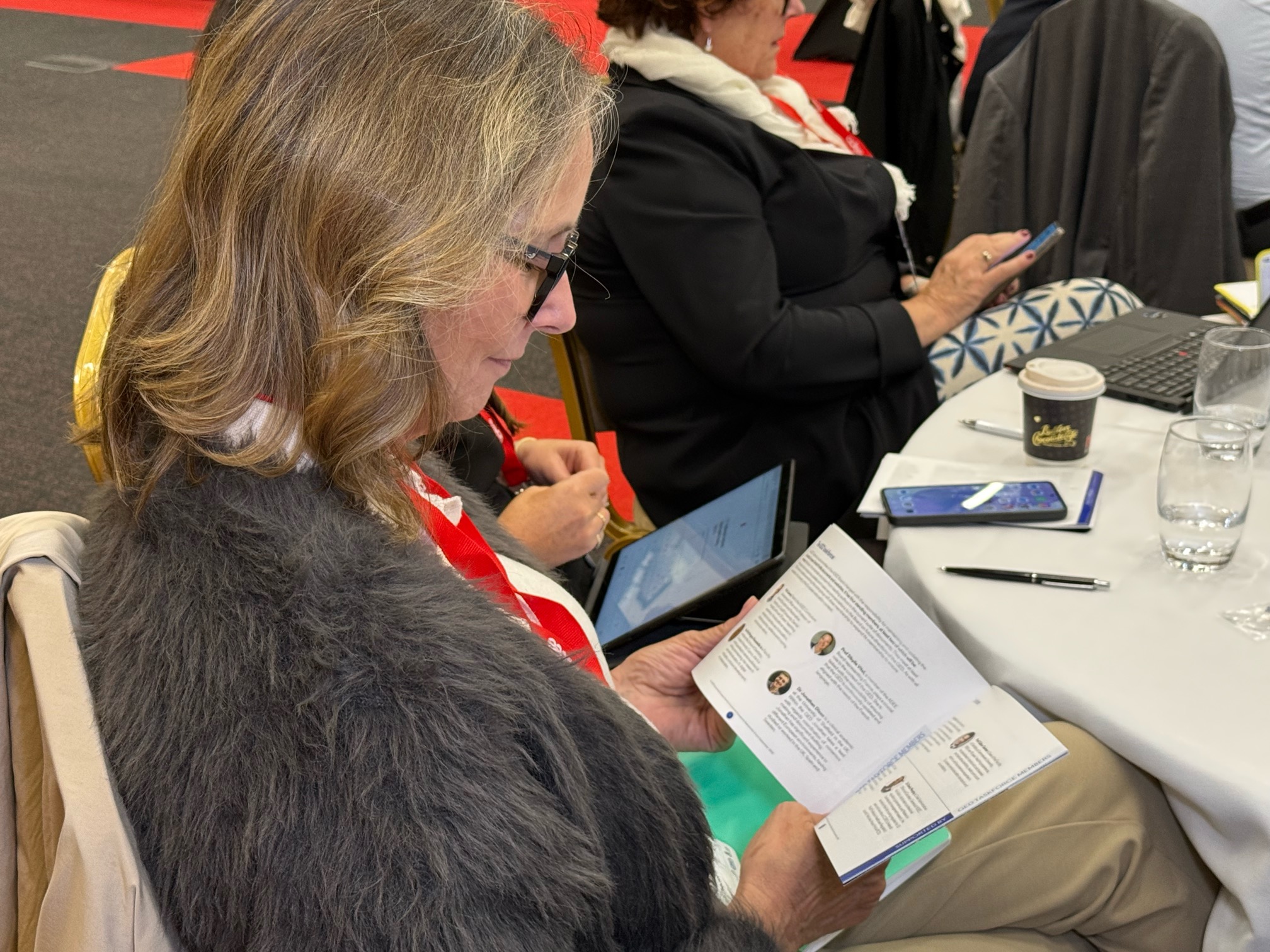
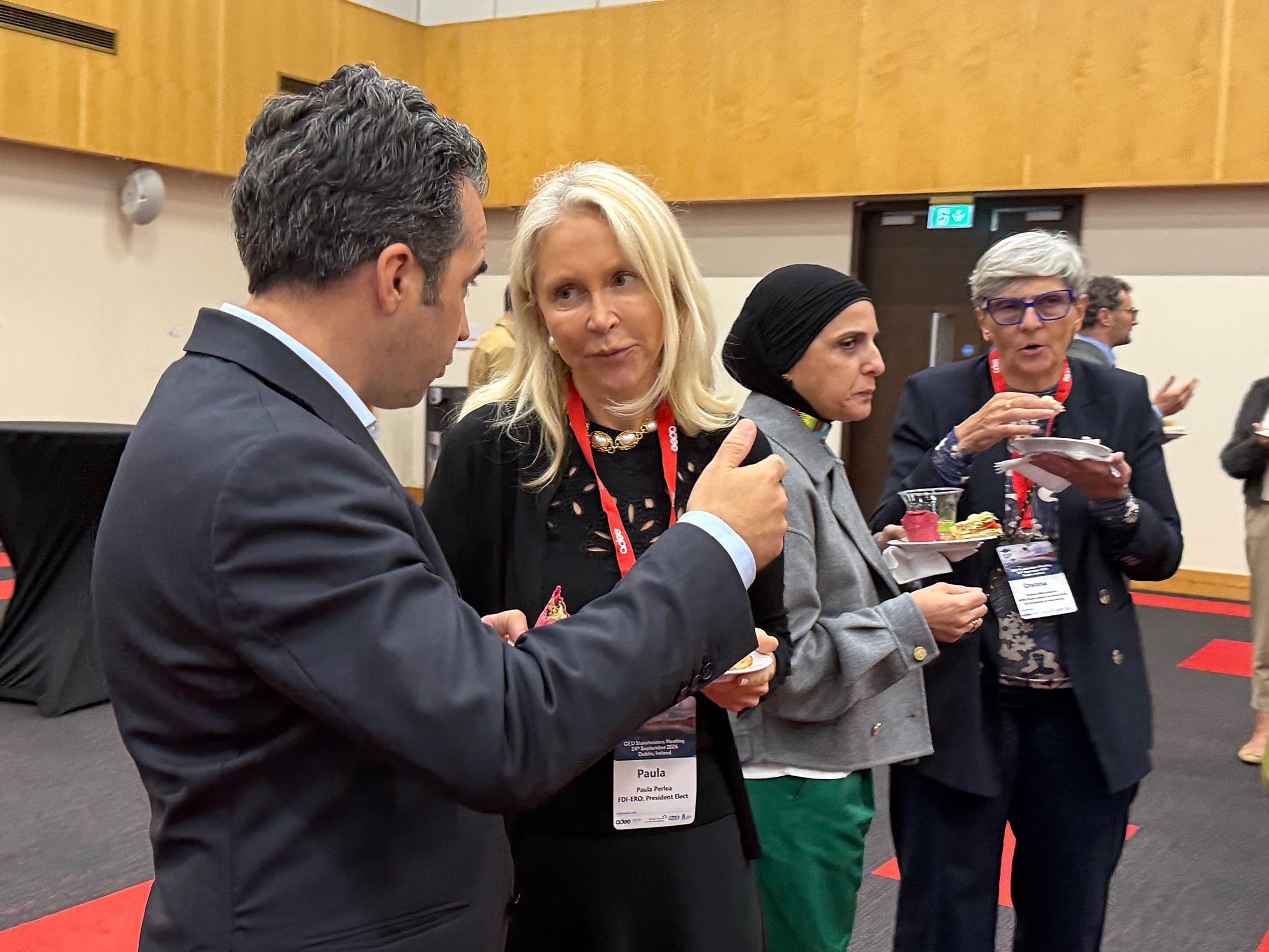
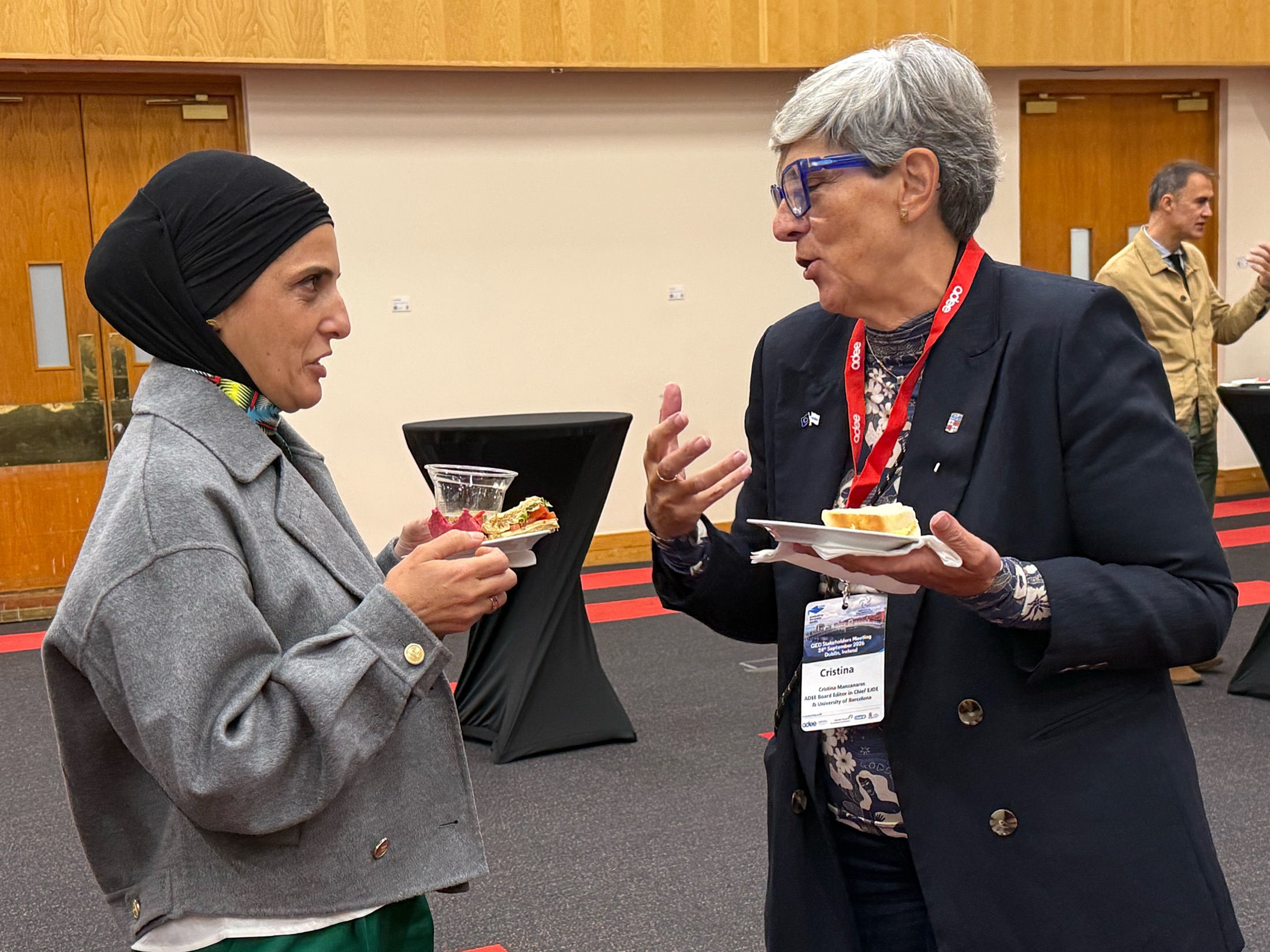
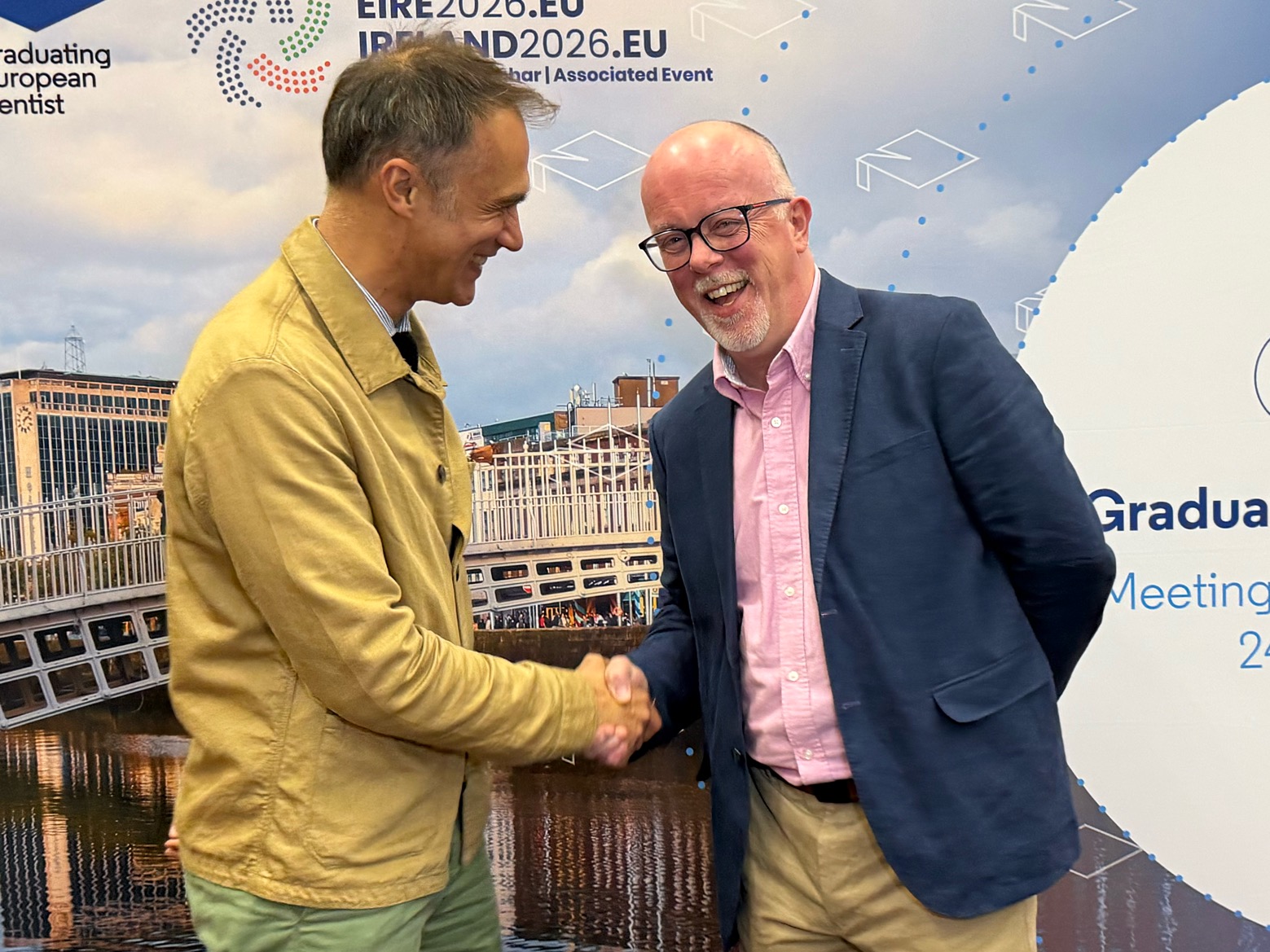
View a selection of photos from the event below or access the full album via this link.
View the flip book of the event booklet online via this link.